What to Buy in Bulk and What to Skip
Stepping into a warehouse store can be exhilarating. Aisles filled with supersized products promise savings, fewer shopping trips, and a well-stocked pantry. But the reality isn’t always so simple. Deciding what to buy in bulk and what to skip can be a real head-scratcher, especially when you’re trying to maintain an organized home and efficient cleaning schedule. Buying too much of the wrong thing can lead to clutter, wasted money, and expired products. This guide will help you navigate the world of bulk buying, ensuring your choices support your home cleaning, decluttering, and home organization goals, rather than hinder them.
The Golden Rules of Bulk Buying for Your Home
Before you fill your cart with economy-sized everything, let’s establish some fundamental principles. Smart bulk buying isn’t just about finding the cheapest price; it’s about making choices that align with your lifestyle, storage capacity, and usage habits.
Assess Your Storage Space
This is perhaps the most overlooked aspect of bulk buying. Do you have a dedicated pantry, a spacious laundry room, or extra shelving in a utility closet? Large quantities of items need a home. If buying in bulk means boxes are stacked in your hallway or spilling out of your cupboards, you’re creating a decluttering problem, not solving one. Measure your available storage solutions before you buy.
Consider Shelf Life and Usage Rate
Some products last indefinitely, while others degrade quickly. A gallon of bleach might seem like a steal, but if it loses potency before you can use it all, it’s money wasted. Similarly, consider how quickly your household consumes an item. If a family of four goes through toilet paper quickly, a multi-pack is smart. If you live alone and use specialty cleaner once a month, a giant bottle will likely expire or lose effectiveness.
The Cost-Per-Unit Calculation
Always, always compare the cost per unit. That “deal” on a large container might actually be more expensive than two smaller ones on sale. Divide the total price by the number of units (ounces, sheets, individual items) to find the true value. This simple step can prevent you from falling for marketing tricks.
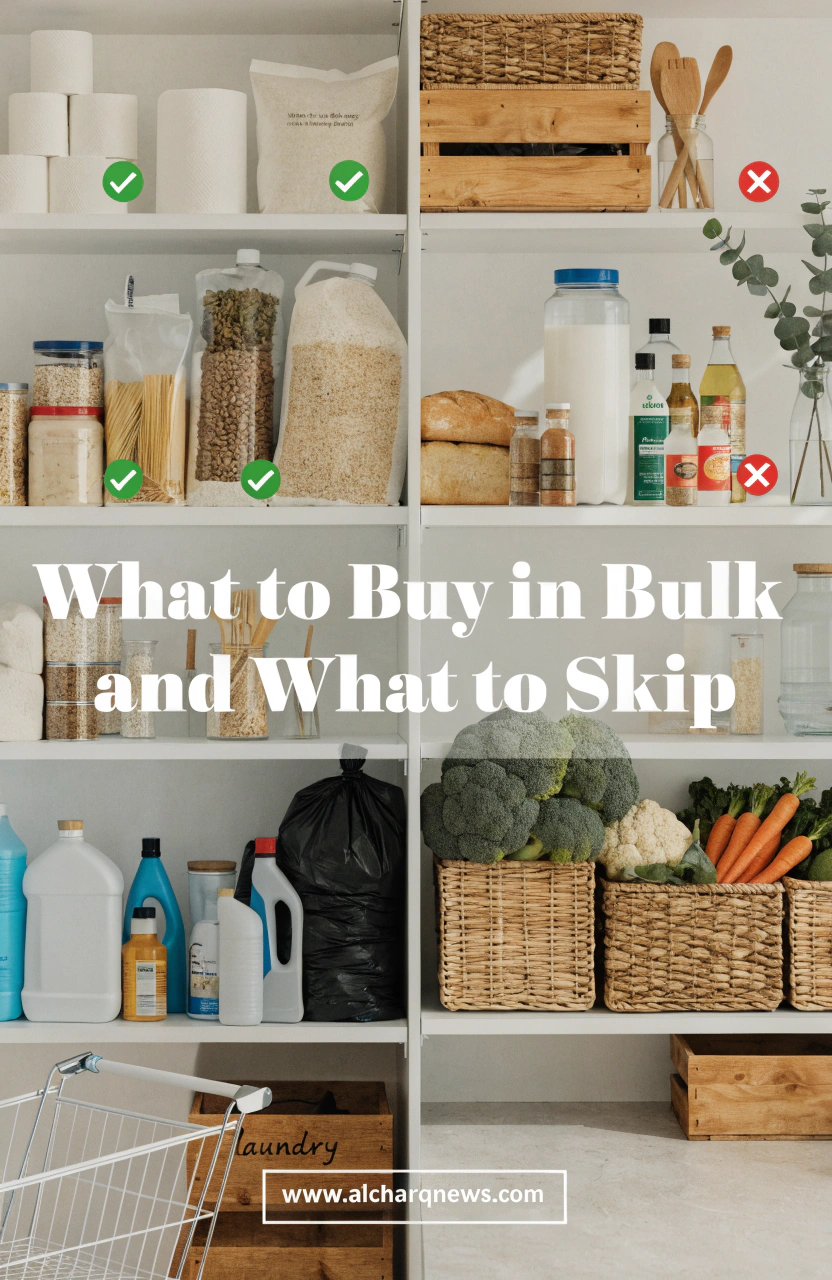
What to Buy in Bulk: Your Home Cleaning & Organization Staples
Now that we understand the rules, let’s dive into the categories where bulk buying truly shines, helping you streamline your household maintenance and keep your home sparkling clean.
Essential Cleaning Supplies
- Microfiber Cloths: These are indispensable for home cleaning. They’re reusable, durable, and effective. Buying a large pack ensures you always have clean ones on hand for dusting, wiping, and polishing.
- All-Purpose Cleaner Concentrate: Many brands offer concentrated formulas that you dilute yourself. This saves space, reduces plastic waste, and is incredibly cost-effective. You can make multiple bottles from one concentrate.
- Dish Soap: A high-usage item for most households. A large refill bottle can last for months, saving you trips to the store.
- Laundry Detergent: Another household staple that’s consumed regularly. Large containers or concentrated pods are excellent bulk buys.
- Paper Towels & Toilet Paper: If you have the storage space, these are prime bulk items. They don’t expire and are used daily. Just be mindful of where you’ll keep the extra rolls so they don’t become clutter.
- Trash Bags: You can never have too many trash bags, especially in various sizes for kitchen, bathroom, and general waste. They store compactly and are always needed.
- Sponges & Scrub Brushes: Sponges should be replaced frequently to prevent bacteria buildup. Buying a multi-pack ensures you always have a fresh one ready for kitchen cleaning or bathroom scrubbing.
Smart Organization Aids & Household Maintenance Items
- Storage Bins & Containers: While not an everyday consumable, if you find modular, stackable storage solutions on a deep discount, consider buying a few for future home organization projects. Just be sure they fit your existing systems and don’t end up empty and unused.
- Batteries: Essential for remote controls, flashlights, and many small appliances. Bulk packs of common sizes (AA, AAA) are smart, as they have a long shelf life.
- Light Bulbs: If your home uses specific types of bulbs frequently, buying a multi-pack can save money and ensure you’re never left in the dark.
- Air Filters: If you have a consistent cleaning schedule for your HVAC system, buying a year’s supply of air filters can be a good bulk purchase, especially if you have standard sizes.
What to Skip in Bulk: Avoid Clutter and Waste
Not everything is a good candidate for bulk buying. Some items are better purchased as needed to avoid waste, clutter, or diminished quality.
Specialized Cleaning Products
- Niche Cleaners: Unless you use window cleaner, oven cleaner, or stainless steel polish weekly, buying giant bottles will likely lead to them sitting unused and taking up valuable cabinet space. Buy these as you need them for specific cleaning tasks.
- Bleach: While powerful, bleach can degrade over time and lose its effectiveness. It’s also a hazardous chemical, and large quantities require careful, secure storage. Smaller bottles are often sufficient.
- Disposable Duster Refills: These can be expensive and contribute to waste. Consider investing in washable, reusable duster heads or microfiber cloths for dusting.
Problematic Organization Aids
- Novelty Organizing Gadgets: That brightly colored drawer divider set might look appealing, but if you don’t have an immediate, specific need for it, it will just become another item you need to declutter later. Buy organization tools only when you have a clear purpose in mind.
- Too Many Storage Bins Without a Plan: This is a common home organization mistake. Buying empty bins “just in case” often results in more clutter. Buy them only when you know exactly what you’re going to put in them and where they will go.
Perishables and Space Hogs
- Items with Short Shelf Lives: This includes many “natural” cleaning products that may not contain strong preservatives. Check expiration dates carefully.
- Massive Quantities of Seldom-Used Items: Think party supplies like paper plates, plastic cutlery, or specialty napkins. If you only host large gatherings once a year, a huge pack will take up space for 11 months.
Common Bulk Buying Mistakes and How to Avoid Them
Even with the best intentions, it’s easy to make missteps when buying in bulk. Here are some common pitfalls and how to steer clear of them.
- Buying Without a Plan: Impulse buying is the enemy of organization. Always go with a list and stick to it. Know exactly what you need and why.
- Ignoring Expiration Dates: This is especially true for items like batteries, certain cleaning solutions, or even some paper products that can degrade in quality over very long periods. A great deal isn’t great if half of it goes to waste.
- Not Having Adequate Storage Solutions: We mentioned this, but it bears repeating. Clutter negates any savings. Ensure you have proper storage solutions like shelves, bins, or a designated pantry area.
- Falling for the “Deal” Without Checking Unit Price: Don’t assume bigger is cheaper. Always do the math.
- Overstocking on Items You Don’t Use Often: This ties into shelf life and usage rate. If you only use a particular cleaner once a month, even a standard-sized bottle will last a long time.
Tip: Create a household inventory. Knowing what you have on hand and how quickly you use it will inform your bulk buying decisions and contribute to a more efficient cleaning schedule.
Room-by-Room Bulk Buying Strategy
Let’s break down where bulk buys make the most sense throughout your home, keeping home organization in mind for each area.
Kitchen
- Buy in Bulk: Dish soap, sponges, trash bags (kitchen size), paper towels (if you use them regularly and have pantry space).
- Skip in Bulk: Specialty appliance cleaners (unless you have a professional kitchen), excessive amounts of single-use food storage bags if you prefer reusable containers.
- Organizing Tip: Use clear, stackable containers to store bulk-purchased items neatly. Label everything so family members can easily find what they need, reducing clutter and preventing duplicate purchases.
Bathroom
Buy in Bulk: Toilet paper, hand soap refills, trash bags (small bathroom size), tissues, and cotton swabs.
Skip in Bulk: Specialty cleaning products, beauty products with expiration dates, and trendy organizing accessories you don’t have a specific use for.
Organizing Tip: Dedicate one shelf or cabinet to backup supplies. Avoid stuffing extra products into every available space, which can quickly make your bathroom feel crowded and disorganized.
Laundry Room
Buy in Bulk: Laundry detergent, stain removers you use regularly, dryer sheets (if you use them), and reusable cleaning cloths.
Skip in Bulk: Specialty fabric treatments or products you only use occasionally.
Organizing Tip: Store laundry supplies in sturdy bins or on shelves. Keeping bulk items off the floor improves safety and makes the room easier to clean.
Utility Closet
Buy in Bulk: Microfiber cloths, batteries, light bulbs, trash bags, and frequently used cleaning solutions.
Skip in Bulk: Seasonal items, duplicate tools, and cleaning gadgets that promise miracle results but rarely get used.
Organizing Tip: Group similar items together. Keep cleaning supplies on one shelf, replacement household items on another, and maintenance tools in a designated container.
How Bulk Buying Supports a Better Cleaning Schedule
When done correctly, bulk buying can make your cleaning schedule more efficient. Running out of essential supplies often delays important cleaning tasks. Having a well-organized stock of frequently used products means you’re always prepared.
For example:
- A ready supply of microfiber cloths makes daily dusting easier.
- Extra trash bags ensure garbage removal never gets postponed.
- Plenty of laundry detergent helps you stay on top of washing routines.
- Backup dish soap prevents interruptions to kitchen cleaning.
The goal is convenience without clutter. A carefully managed inventory allows you to clean consistently without overcrowding your home with unnecessary products.
Create a Simple Bulk Inventory System
One of the best ways to maximize savings and maintain organization is to track your supplies.
Easy Inventory Tips
- Keep a small notepad or digital list of household essentials.
- Record how many backup items you have.
- Note when supplies need replenishing.
- Rotate older products to the front so they’re used first.
- Review your inventory monthly during your regular decluttering routine.
This simple system prevents overbuying and helps you identify which products truly deserve a place on your bulk-buying list.
Signs You’re Buying Too Much
Even experienced shoppers can cross the line from preparedness to excess. Watch for these warning signs:
- Cabinets are difficult to close.
- You forget what supplies you already own.
- Products expire before being used.
- Closets, garages, or laundry rooms become cluttered with unopened items.
- You buy duplicates because you can’t find what you already have.
If any of these sound familiar, it may be time to pause bulk purchases and focus on decluttering and using what you already own.
Final Thoughts
Bulk buying can be a powerful tool for saving money, simplifying household maintenance, and supporting an organized home. The key is being selective. Focus on products you use regularly, have space to store properly, and can reasonably use before they lose effectiveness.
Remember that the cheapest option isn’t always the smartest one. True savings come from purchasing items that serve your household’s needs without creating unnecessary clutter. By combining thoughtful bulk buying with effective storage solutions, regular decluttering, and a consistent cleaning schedule, you’ll enjoy a cleaner, more organized home while keeping more money in your pocket.
The next time you’re tempted by a giant package and a flashy discount sign, ask yourself three simple questions: Do I use it often? Do I have space for it? Will I use it before it goes bad? If the answer is yes to all three, it’s probably a smart bulk buy.