How to Clean Pillows in a Top-Loading Washer: An Easy Guide to Freshness
Your bed is your sanctuary, a place of rest and rejuvenation. But have you ever considered what’s lurking inside your pillows? Over time, pillows accumulate sweat, skin cells, dust mites, and oils, which can impact your sleep quality and even your health. Learning how to properly clean pillows is a simple yet effective step in maintaining a hygienic home environment. While it might seem daunting, cleaning your pillows in a top-loading washing machine is surprisingly straightforward, and we’re here to guide you through every step.
Why Bother Cleaning Your Pillows? (And How Often)
Many people regularly wash their sheets and pillowcases, but the pillows themselves often get overlooked. This is a common oversight in household maintenance. Dirty pillows can harbor allergens that trigger sniffles, sneezes, and even skin irritations. Dust mites, in particular, thrive in the warm, moist environment of an unwashed pillow, contributing to asthma and allergy symptoms. Regular pillow cleaning is not just about aesthetics; it’s a vital part of your home cleaning routine that contributes to better health and a more comfortable sleep.
Beyond health benefits, cleaning your pillows extends their lifespan. Removing accumulated grime helps maintain their loft and support, preventing them from becoming flat and uncomfortable prematurely. As a general rule for good home organization and hygiene, aim to wash your pillows every three to six months. Mark it on your cleaning schedules to ensure it doesn’t slip your mind!
Prepping Your Pillows for a Top-Loading Wash
Before you toss your pillows into the machine, a little preparation goes a long way to ensure a successful wash. This initial stage is important for protecting your pillows and your washing machine.
Check the Care Label: Always start by checking the care label on your pillow. Most synthetic and down/feather pillows are machine washable, but memory foam and some gel pillows are not. If the label says “dry clean only” or “spot clean,” follow those instructions. Washing a non-machine washable pillow can destroy its structure.
Test for Structural Integrity: Give your pillow a quick test. Fold it in half. If it springs back to its original shape, it’s likely still supportive enough to wash. If it stays folded or barely moves, it might be time to consider replacing it, as it has lost its ability to provide proper support. This is also a good decluttering moment for your bedroom.
Remove Pillowcases and Protectors: Take off all pillowcases and any pillow protectors. These should be washed separately with your regular bedding.
Spot Treat Stains: If you notice any visible stains (like drool or makeup), pre-treat them with a gentle stain remover or a paste of baking soda and water. Let it sit for about 15-30 minutes before washing.
The Step-by-Step Guide to Clean Pillows in Your Top-Loader
Now that your pillows are prepped, let’s get them sparkling clean. Using a top-loading washer requires a specific approach to ensure even cleaning and prevent damage.
Choose the Right Detergent and Additives
Selecting the right cleaning agents is key to effectively clean pillows without leaving residue or damaging the material.
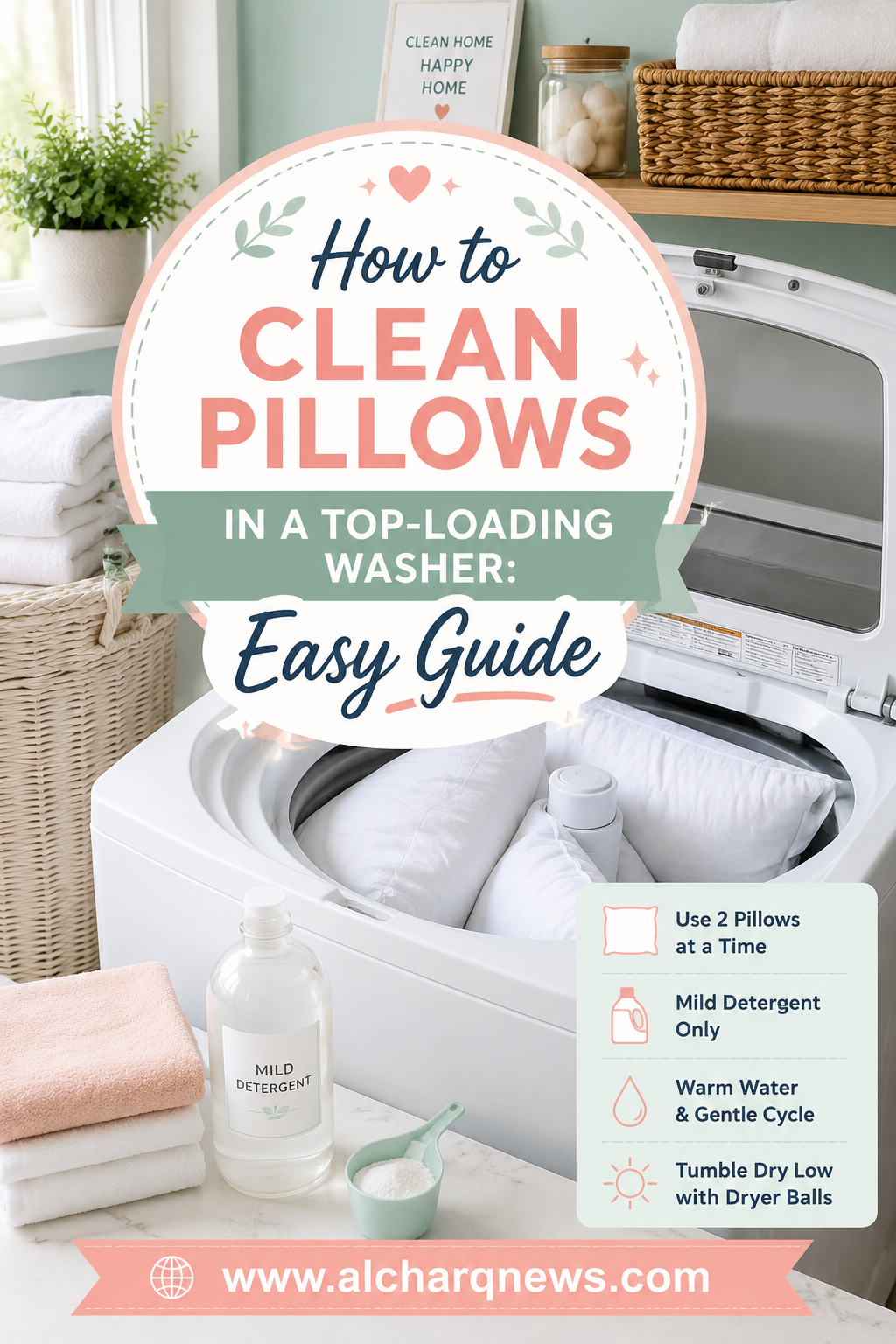
Mild Detergent: Opt for a mild, liquid laundry detergent. Avoid harsh chemicals or excessive amounts, as they can be difficult to rinse out completely and may irritate your skin.
- Optional Boosters: For extra cleaning power and freshness, consider adding a boost:
- Borax: A quarter-cup of borax can help remove odors and boost cleaning.
- Baking Soda: Half a cup of baking soda can deodorize and brighten.
- White Vinegar: A half-cup of white vinegar in the rinse cycle can act as a natural fabric softener and help remove any lingering detergent residue.
Loading the Washer Correctly
This is arguably the most important step for top-loading machines. Proper loading prevents your washer from becoming unbalanced, which can cause loud banging and potentially damage the machine.
Balance is Key: Always wash two pillows at a time. Place them vertically in the washer, one on each side of the agitator. This helps balance the load, preventing the machine from shaking excessively during the spin cycle. If you only have one pillow, you can use a few towels to balance the load, but two pillows are ideal.
No Overstuffing: Resist the urge to cram more than two pillows in. Overstuffing prevents proper agitation and rinsing, leaving your pillows dirty and soapy.
Selecting the Ideal Wash Cycle and Temperature
The right settings protect your pillows while ensuring they get thoroughly cleaned.
Gentle Cycle: Choose the “delicate” or “gentle” cycle. This setting uses less agitation, which is kinder to your pillows’ filling and stitching.
Warm Water: Use warm water for most pillows. It’s effective at killing dust mites and breaking down oils without being too harsh. Hot water can sometimes cause shrinkage or damage to certain fillings, while cold water may not be as effective for deep cleaning.
The Rinse Cycle is Your Friend
Detergent residue is a common problem when cleaning bulky items like pillows. It can cause skin irritation and make your pillows feel stiff.
Double Rinse: Always select an extra rinse cycle. This ensures all soap is thoroughly washed out of the pillow filling. You might even consider running an additional rinse cycle if you see any suds remaining.
Drying Your Pillows: The Often-Overlooked Step
Drying pillows completely is just as important as washing them. Incomplete drying can lead to mildew, unpleasant odors, and even mold, which can quickly ruin your freshly cleaned pillows.
Low Heat is Best: Transfer your pillows to the dryer. Use a low heat setting, such as “air fluff” or “delicate.” High heat can scorch pillow fillings, especially synthetic ones, and cause them to clump or break down.
Add Dryer Balls or Tennis Balls: Place two or three clean tennis balls (or dryer balls) inside socks with your pillows. As they tumble, the balls will beat against the pillows, fluffing them up and helping to break up any clumps of filling, ensuring they dry evenly and restore their loft. This is a great tip for maintaining the fluffy texture.
Check for Dampness: Drying pillows can take several cycles. Periodically remove them from the dryer, fluff them by hand, and feel for any damp spots, especially in the center. If they still feel damp, put them back in for another cycle. This might take a few hours, so be patient.
Air Drying Finish: Once the pillows feel dry to the touch, consider air drying them for a few hours in a well-ventilated area or outdoors on a sunny day. This ensures any lingering moisture evaporates and gives them a final fresh scent. Just make sure they are completely dry before putting them back on your bed or into storage solutions.
Common Mistakes to Avoid When Cleaning Pillows
Even with the best intentions, a few missteps can hinder your pillow cleaning efforts. Being aware of these common errors can save you time, effort, and potentially your pillows.
Washing Too Many at Once: As mentioned, washing more than two pillows in a top-loader can unbalance the machine and prevent proper cleaning and rinsing.
Using Harsh Detergents or Too Much Detergent: Strong chemicals or excessive soap can strip natural fibers, leave residue, and irritate your skin. Stick to mild detergents and use only the recommended amount.
Skipping the Rinse Cycle: Residual soap can become a breeding ground for mildew and cause allergic reactions. Always use an extra rinse cycle.
Not Drying Completely: This is a big one. A slightly damp pillow is an invitation for mold and mildew, which are unhealthy and create a musty smell that’s hard to get rid of.
Washing Pillows Not Meant for Machine Wash: Always check the care label. Memory foam, buckwheat, and some gel pillows can be ruined by machine washing.
Maintaining Pillow Freshness Between Washes
Once your pillows are clean, you’ll want to keep them fresh for as long as possible. Integrating these simple habits into your daily or weekly cleaning schedules can make a big difference in household maintenance.
Use Pillow Protectors: These zippered covers provide an extra barrier against sweat, oils, dust mites, and allergens. They are much easier to wash frequently than the pillows themselves.
Fluff Regularly: A quick fluff every morning helps to redistribute the filling, maintain loft, and air out the pillow.
Air Out Your Bedding: When you change your sheets, take a moment to let your pillows and mattress air out. Open a window if possible. This helps to reduce moisture buildup.
Spot Clean as Needed: For small spills or marks, quickly spot clean the area rather than waiting for the next full wash.
Rotate and Replace: Rotate your pillows regularly to ensure even wear. Even with proper care, pillows don’t last forever. Most pillows should be replaced every 1-2 years for optimal support and hygiene. This is a key aspect of home organization, ensuring your sleeping area remains a haven.
Frequently Asked Questions About Cleaning Pillows
Q1: Can I wash all types of pillows in a top-loading washer?
A: No. While most synthetic and down/feather pillows are machine washable, memory foam, gel, and buckwheat pillows typically are not. Always check the care label first to avoid damaging your pillow.
Q2: How often should I clean my pillows?
A: For optimal hygiene and to prolong their life, aim to wash your pillows every three to six months. This helps remove allergens, dust mites, and accumulated body oils.
Q3: What kind of detergent should I use?
A: Use a mild, liquid laundry detergent. Avoid harsh chemicals or excessive amounts, as they can be difficult to rinse out completely and may cause skin irritation.
Q4: Why do I need to wash two pillows at once in a top-loader?
A: Washing two pillows helps balance the load in a top-loading machine, preventing it from becoming unbalanced during the spin cycle. This protects your machine and ensures your pillows are cleaned evenly.
Q5: How can I prevent my pillows from clumping in the dryer?
A: To prevent clumping and help fluff your pillows, toss two or three clean tennis balls (inside socks) or dryer balls into the dryer with them. Use a low heat setting and check periodically, fluffing them by hand.
Conclusion
Cleaning your pillows in a top-loading washer is a simple yet impactful aspect of home cleaning and household maintenance. By following these easy steps, you can ensure your sleeping environment is fresh, hygienic, and supportive. Regular care not only improves your sleep quality but also extends the life of your pillows, making them a worthwhile addition to your cleaning schedules. So go ahead, give your pillows the refresh they deserve – you’ll thank yourself for the cleaner, healthier sleep ahead!