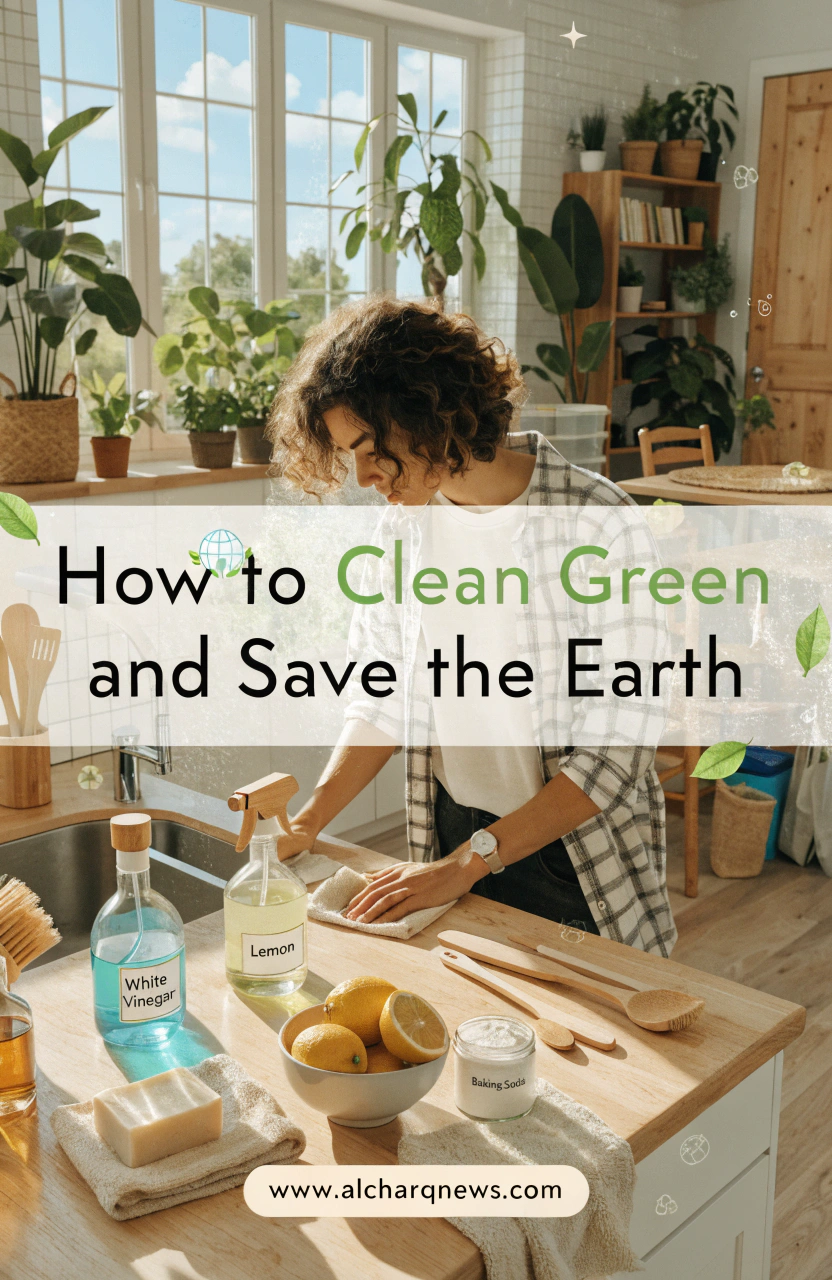
How to Clean Green: Eco-Friendly Home Cleaning for a Healthier Planet
Are you ready to transform your home cleaning routine into an environmentally friendly practice? Learning how to Clean Green isn’t just a trend; it’s a powerful way to protect our planet and create a healthier living space for your family. By making conscious choices about the products you use and the methods you employ, you can significantly reduce your environmental footprint, minimize exposure to harsh chemicals, and even save money in the long run. This guide will walk you through practical, actionable steps to make your home shine, sustainably.
Why Embrace Green Cleaning?
Choosing to clean green extends far beyond simply using “natural” products. It’s about a holistic approach to household maintenance that benefits everyone. When you opt for eco-friendly alternatives, you’re saying no to harmful chemicals that can pollute indoor air, contaminate water systems, and negatively impact your family’s health.
Think about the air quality in your home. Traditional cleaners often release volatile organic compounds (VOCs), which can irritate your respiratory system, eyes, and skin. Green cleaning helps you avoid these irritants, leading to a fresher, safer home environment. Plus, by supporting sustainable practices, you contribute to a larger movement of environmental stewardship, reducing waste and conserving resources.
Your Eco-Friendly Cleaning Toolkit
Building a green cleaning arsenal doesn’t require expensive, specialty products. Many effective solutions can be found right in your pantry or purchased as refillable, concentrate options.
DIY Cleaning Solutions
Many household staples can become powerful, non-toxic cleaners. Here are some of our favorites:
- White Vinegar: A natural disinfectant, deodorizer, and degreaser. Mix equal parts water and vinegar for an all-purpose spray, or use it neat for tough spots. It’s excellent for streak-free windows and descaling appliances.
- Baking Soda: A mild abrasive, deodorizer, and stain remover. Sprinkle it on carpets before vacuuming to absorb odors, scrub sinks and tubs, or create a paste with water for tough grime.
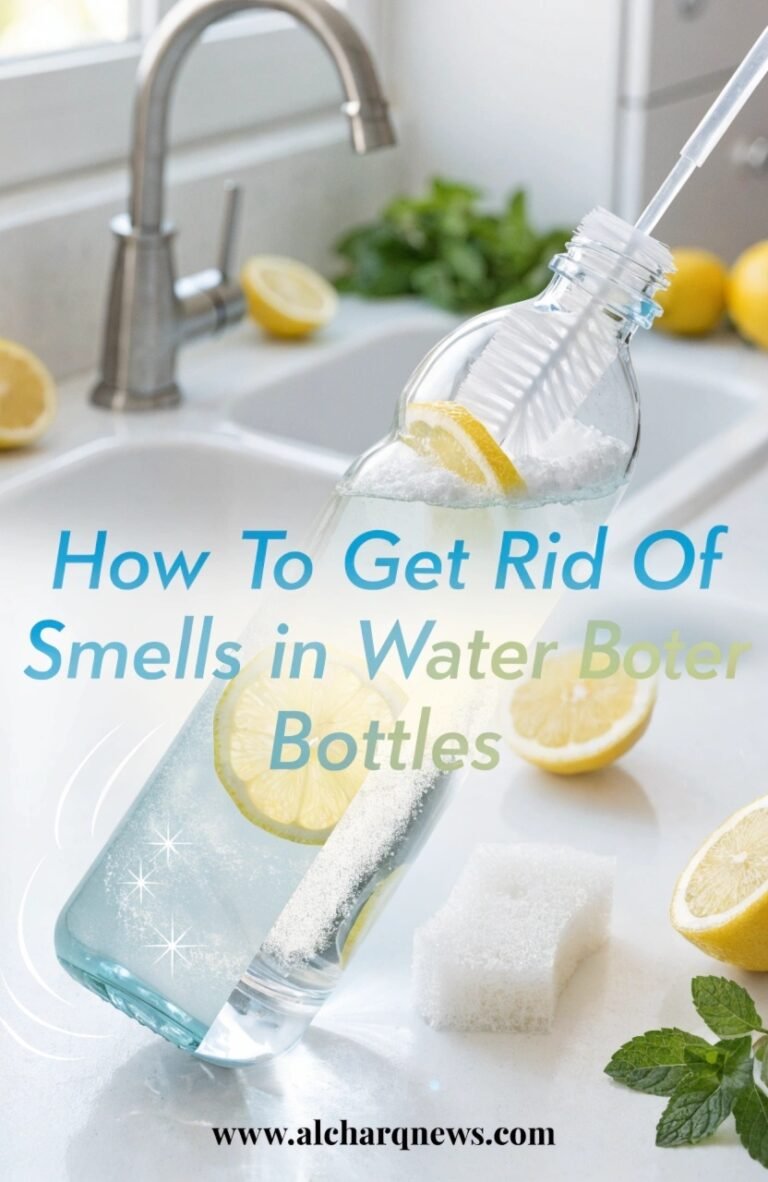
- Lemon Juice: A natural bleach, degreaser, and deodorizer. Its acidic properties make it great for cutting through grease and brightening surfaces.
- Hydrogen Peroxide: A non-toxic disinfectant. Use a 3% solution to sanitize surfaces, cutting boards, and even whiten grout.
- Castile Soap: A versatile, concentrated vegetable-based soap. Dilute it for dish soap, hand soap, or an all-purpose cleaner.
Common Mistake to Avoid: Mixing vinegar and hydrogen peroxide or vinegar and bleach. These combinations can create toxic fumes. Always use these ingredients separately.
Smart Tools for a Sustainable Clean
Beyond your DIY concoctions, the right tools can make all the difference in your green home cleaning efforts.
- Microfiber Cloths: These reusable cloths trap dirt and dust effectively, often with just water, reducing the need for chemical sprays. Wash and reuse them hundreds of times.
- Reusable Spray Bottles: Invest in durable glass or BPA-free plastic bottles for your homemade solutions.
- Scrub Brushes and Sponges: Opt for natural bristle brushes, loofah sponges, or cellulose sponges that are biodegradable or made from recycled materials. Avoid plastic scrubbers that shed microplastics.
- Mop with Reusable Pads: Ditch disposable mop pads. Choose a mop with washable, reusable microfiber or cotton pads.
- Vacuum Cleaner with HEPA Filter: A good vacuum can significantly improve indoor air quality by trapping allergens and fine dust particles.
Decluttering & Home Organization: The Green Foundation
Before you even start scrubbing, the principles of decluttering and home organization play a significant role in your clean green journey. Less stuff means less to clean, less dust to accumulate, and less waste generated.
Mindful Decluttering for Less Waste
Decluttering is about making intentional choices about what you keep in your home. When you declutter, think about where items will go next:
- Donate: Give away items in good condition to charities or community organizations.
- Sell: Use online marketplaces or consignment shops for items with value.
- Repurpose: Can an old towel become a cleaning rag? Can a jar become a storage container?
- Recycle: Properly sort and recycle items according to local guidelines.
- Compost: For organic waste, consider starting a compost pile.
This process not only reduces waste but also simplifies your home cleaning routine, as there’s less clutter to move around and clean under.
Eco-Conscious Storage Solutions
Once you’ve decluttered, smart storage solutions keep your home organized and easier to maintain.
- Reusable Bins and Baskets: Choose options made from natural materials like bamboo, wicker, or recycled plastics.
- Glass Jars and Containers: Perfect for pantry organization, they reduce the need for plastic bags and containers.
- Vertical Storage: Maximize space with shelves and wall-mounted organizers, keeping floors clear for easier cleaning.
Effective home organization isn’t just about aesthetics; it’s a preventative measure against dirt and grime buildup, making your regular cleaning schedules more efficient.
Clean Green Practices for Every Room
Now, let’s get into the nitty-gritty of applying green cleaning principles throughout your home.
Sparkling Kitchens, Naturally
The kitchen is often the busiest room and a prime spot for germs.
- Countertops: Wipe down with an all-purpose vinegar solution or diluted Castile soap. For stone surfaces, use a pH-neutral cleaner.
- Sinks: Scrub with baking soda paste and rinse with vinegar for a sparkling, deodorized finish.
- Appliances: Clean stainless steel with a microfiber cloth and a drop of olive oil. For microwaves, heat a bowl of water and lemon slices for a few minutes, then easily wipe away grime.
- Dishwashing: Use an eco-friendly dish soap or a DIY solution with Castile soap. For dishwashers, use natural dishwasher detergents or a sprinkle of baking soda for extra cleaning power.
Bathroom Bliss, Sustainably
Bathrooms require good disinfection, which you can achieve without harsh chemicals.
- Toilets: Sprinkle baking soda into the bowl, let it sit for 15-30 minutes, then scrub with a brush and flush. For tough stains, add a cup of white vinegar before scrubbing.
- Showers & Tubs: Use a baking soda paste for scrubbing soap scum and grime. For mildew, spray with hydrogen peroxide and let it sit before rinsing.
- Mirrors: Mix equal parts white vinegar and water in a spray bottle, wipe with a microfiber cloth for a streak-free shine.
- Grout: A paste of baking soda and hydrogen peroxide can work wonders on discolored grout.
Living Areas & Bedrooms: Fresh and Green
These areas often gather dust and allergens.
- Dusting: Use damp microfiber cloths to effectively trap dust, rather than just spreading it around with dry rags or feather dusters.
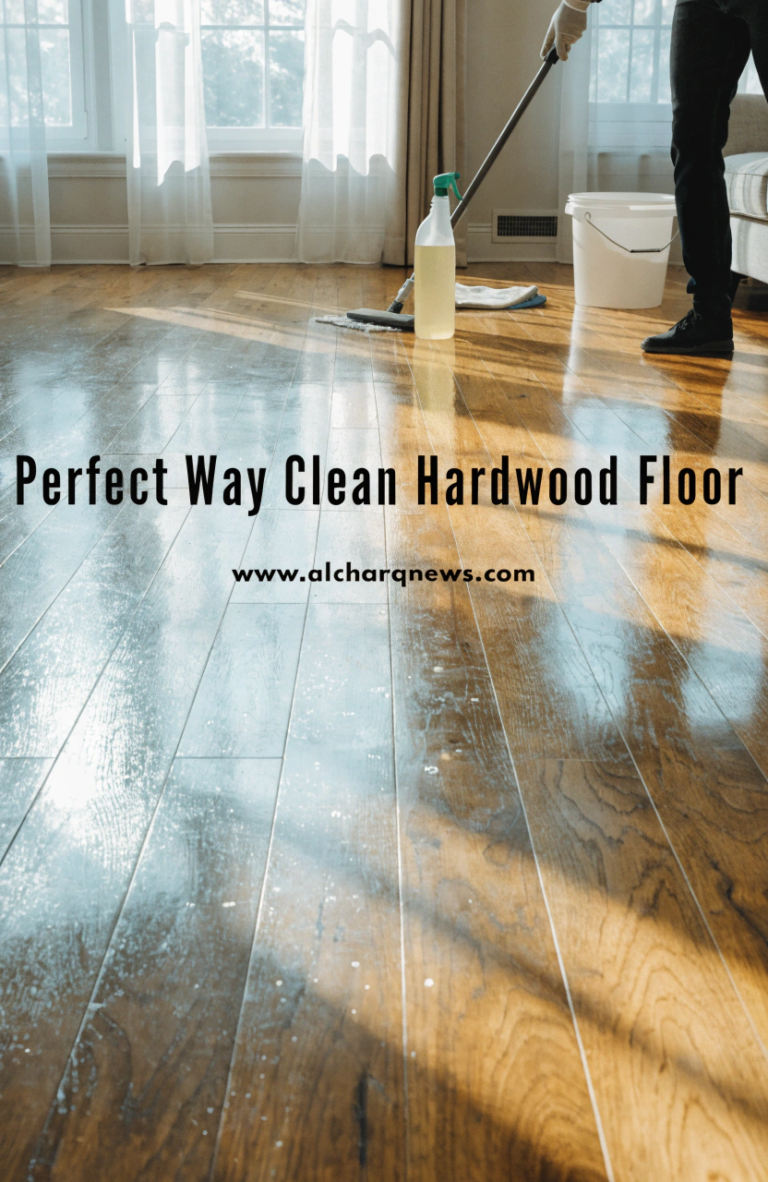
- Floors: For hard floors, vacuum regularly. Mop with diluted white vinegar or an eco-friendly floor cleaner. For carpets, sprinkle baking soda before vacuuming to neutralize odors.
- Windows: Use your vinegar and water solution for sparkling windows.
- Air Freshening: Instead of chemical air fresheners, use essential oil diffusers, open windows for ventilation, or place bowls of baking soda to absorb odors.
Avoiding Green Cleaning Pitfalls
While green cleaning is beneficial, it’s easy to make mistakes that can hinder your efforts or even be counterproductive.
- Believing “Natural” Always Means Safe: Always read labels, even on “natural” products. Some essential oils can be irritants, and certain plant-based ingredients can still cause allergic reactions.
- Using Too Much Product: Whether DIY or store-bought, using excessive amounts of cleaner doesn’t make it more effective and can leave residue or go to waste. A little often goes a long way.
- Ignoring Proper Disposal: Even eco-friendly products need proper disposal if they’re concentrated or contain certain ingredients. Always follow label instructions.
- Neglecting Ventilation: Even with green cleaners, good ventilation is important for indoor air quality. Open windows or use fans during and after cleaning.
- Expecting Instant Results: Some natural cleaners might take a little longer or require more elbow grease than harsh chemical counterparts. Be patient and consistent.
Long-Term Green Household Maintenance & Cleaning Schedules
Sustainable home cleaning isn’t a one-time event; it’s a commitment to ongoing household maintenance. Establishing effective cleaning schedules helps keep your home tidy and reduces the need for intensive deep cleans.
* Daily Habits: Quick wipes in the kitchen and bathroom, making beds, and tidying up clutter. This prevents dirt from accumulating.
* Weekly Tasks: Vacuuming, mopping, bathroom scrubbing, and kitchen deep cleans.
* Monthly/Quarterly Tasks: Window washing, dusting light fixtures, deep cleaning carpets, and organizing storage solutions.
* Seasonal Tasks: Gutter cleaning, checking appliances, and exterior household maintenance.
By integrating these practices into a regular routine, you’ll find that your clean green home stays fresh with less effort and less reliance on heavy-duty products. Consistency is key to maintaining a healthy, organized, and eco-friendly living space.
Frequently Asked Questions About Green Cleaning
Q1: Are green cleaning products truly effective?
A1: Yes! Many green cleaning products and DIY solutions are highly effective. While some may require a bit more elbow grease or a different application method than their chemical counterparts, they can achieve excellent results for most home cleaning tasks.
Q2: How can I tell if a store-bought product is genuinely “green”?
A2: Look for third-party certifications like EPA Safer Choice, Ecocert, or Green Seal. Read the ingredient list carefully, avoiding harsh chemicals, artificial fragrances, and dyes. Companies that are transparent about their ingredients are often a good sign.
Q3: Is it more expensive to clean green?
A3: Not necessarily. While some specialty eco-friendly products can be pricier upfront, making your own cleaners from common household ingredients like vinegar and baking soda is often significantly cheaper. Plus, investing in reusable tools reduces long-term costs.
Q4: What’s the best way to get rid of odors naturally?
A4: Baking soda is a fantastic natural deodorizer. Place bowls of it in smelly areas, sprinkle it on carpets before vacuuming, or use it in refrigerators. Good ventilation, opening windows, and essential oil diffusers also help keep your home smelling fresh.
Q5: Can I use green cleaning methods for pest control?
A5: While green cleaning helps maintain a clean environment that’s less attractive to pests, it’s not a primary pest control method. However, keeping food sealed, regularly cleaning crumbs, and sealing entry points are excellent preventative measures that align with green household maintenance.
Conclusion
Embracing the principles of how to Clean Green is a powerful step towards a healthier home and a more sustainable planet. From simple DIY solutions to mindful decluttering and smart home organization, every choice you make contributes to a positive impact. You’re not just cleaning; you’re cultivating a lifestyle that prioritizes well-being, reduces waste, and protects our precious environment. Start small, be consistent, and enjoy the many benefits of a truly clean, green home. Your family and the Earth will thank you.