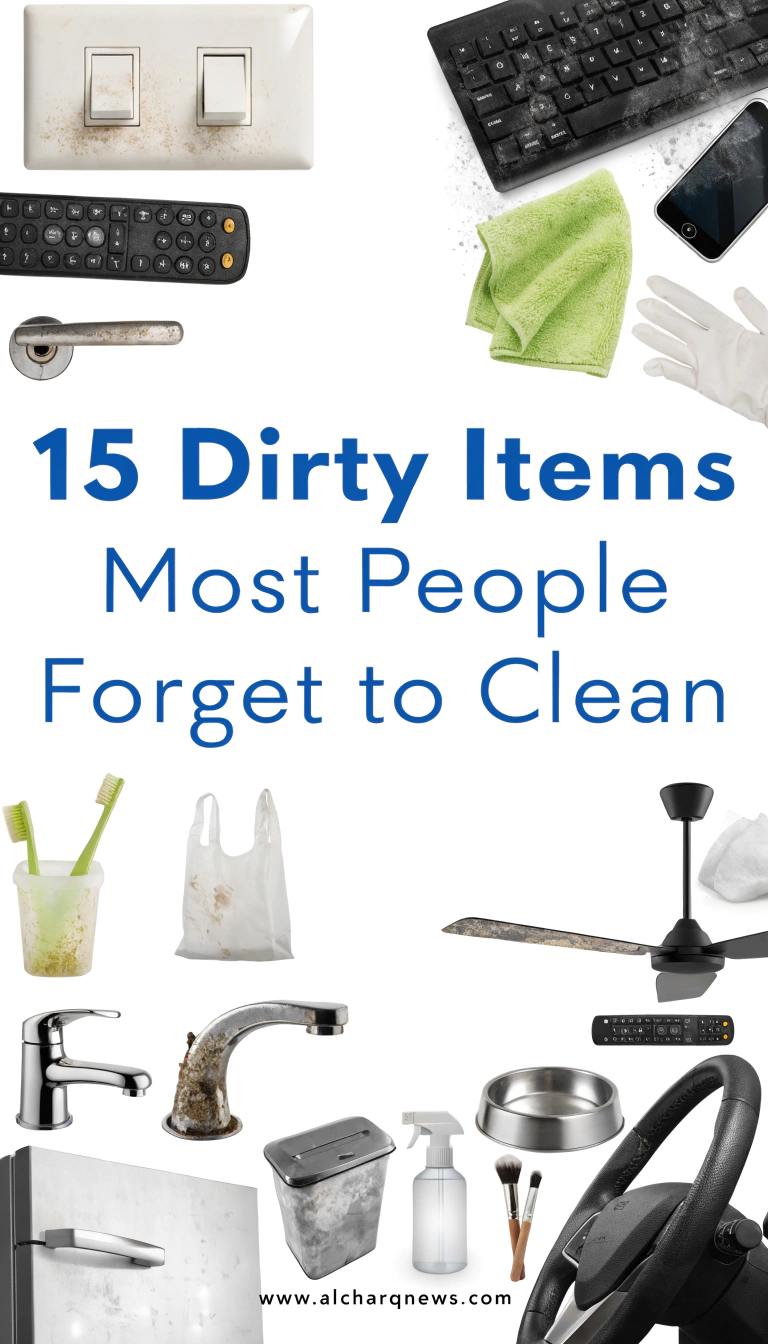
15 Dirty Items Most People Forget to Clean
You work hard to keep your home looking spotless. You vacuum, dust, scrub the bathroom, and wipe down kitchen counters. But what if we told you there are 15 dirty items most people overlook, silently harboring germs and dust right under your nose? Don’t worry, you’re not alone! Many of us fall into the trap of focusing on visible dirt, forgetting the hidden grime that can impact your home’s freshness and even your family’s health. It’s time to uncover these forgotten spots and give your home the thorough clean it truly deserves. Get ready to transform your cleaning routine and enjoy a truly sparkling space!
Kitchen’s Sneaky Germ Havens
The kitchen is the heart of your home, but it can also be a hotspot for germs in unexpected places. Regular home cleaning here is a must, but let’s dive deeper.
Dishwasher Filter and Seal
Your dishwasher cleans dishes, but does it clean itself? Food particles and grease can build up in the filter and around the door seal, leading to odors and less effective cleaning.
- How to Clean: Remove the filter (check your manual for instructions), rinse it under hot water, and scrub with an old toothbrush and dish soap. Wipe down the door seal with a damp cloth and white vinegar to remove grime and mildew.
- Tip: Run an empty cycle with a dishwasher cleaner or a cup of white vinegar once a month for deeper cleaning.
Washing Machine Seal and Detergent Dispenser
Just like the dishwasher, your washing machine can harbor mold and mildew, especially in the rubber seal around the door and in the detergent dispenser. This can leave your clothes smelling less than fresh.
- How to Clean: Pull back the rubber seal and wipe away any grime and mold with a cloth soaked in a bleach solution or white vinegar. Remove the detergent dispenser (if possible) and scrub it with an old toothbrush.
- Tip: Leave the washing machine door ajar after each use to allow it to air dry and prevent mildew growth.
Sponges and Dishcloths
These cleaning tools are excellent at picking up dirt, but they also become breeding grounds for bacteria. Using a dirty sponge can spread germs, not remove them.
- How to Clean: Microwave damp sponges on high for 1-2 minutes daily to kill germs. For dishcloths, wash them frequently in hot water with your laundry.
- Tip: Replace sponges every week or two, and have a rotation of clean dishcloths ready to go.
Reusable Shopping Bags
You use these bags for everything from raw meat to fresh produce. Over time, they can accumulate bacteria from food spills and cross-contamination.
- How to Clean: Fabric bags can usually be machine washed on a hot cycle and air-dried. For insulated or plastic-lined bags, wipe them down inside and out with a disinfecting spray or solution after each use.
- Tip: Designate specific bags for raw meats to minimize cross-contamination.
Garbage Cans (Inside and Out)
Even with liners, spills happen, and food particles accumulate. Your garbage can is a magnet for bacteria and odors.
- How to Clean: Take the can outside, spray it with a hose, and scrub the inside and outside with an all-purpose cleaner or a bleach solution. Rinse thoroughly and let it air dry completely before putting in a new liner.
- Tip: Sprinkle baking soda in the bottom of the can before adding a new liner to absorb odors.
Bathroom’s Hidden Grime Spots
The bathroom is a high-humidity environment, making it perfect for mold and mildew. Beyond the toilet and shower, these spots need attention for effective home maintenance.
Toothbrush Holder
Drips from toothbrushes collect at the bottom, creating a murky, germ-filled puddle that often goes unnoticed. This is a prime spot for bacteria growth.
- How to Clean: If dishwasher-safe, run it through a hot cycle. Otherwise, wash it thoroughly with hot, soapy water and a bottle brush or old toothbrush. Rinse and dry completely.
- Tip: Clean your toothbrush holder weekly to prevent buildup.
Shower Curtain and Liner
Soap scum, mildew, and hard water stains can quickly accumulate on your shower curtain and liner, especially at the bottom.
- How to Clean: Many fabric shower curtains are machine washable. For plastic liners, you can often put them in the washing machine with a few towels (to help scrub) and a cup of white vinegar. Hang to dry immediately.
- Tip: Spray the bottom of your shower curtain with a daily shower cleaner or a vinegar-water solution after each use to deter mildew.
Baseboards
Baseboards collect dust, pet hair, and grime, especially in high-traffic areas and bathrooms where moisture can combine with dust to create a sticky mess.
- How to Clean: Start by vacuuming or dusting them thoroughly. Then, wipe them down with a damp cloth and an all-purpose cleaner. For stubborn scuffs, a magic eraser can work wonders.
- Tip: Include baseboard cleaning in your monthly cleaning schedule to keep them looking fresh.
Everyday Tech & High-Touch Zones
We touch these items constantly, transferring germs from our hands without a second thought. Regular household organization includes keeping these items clean.
Remote Controls
Think about how many hands touch the remote control every day. It’s a magnet for germs, food crumbs, and sticky residue.
- How to Clean: Remove batteries. Use a cotton swab dipped in rubbing alcohol to clean around buttons and crevices. Wipe the entire surface with a disinfecting wipe or a cloth dampened with alcohol.
- Tip: Clean remotes weekly, especially if someone in your home is sick.
Light Switches and Doorknobs
These are some of the most frequently touched surfaces in your home, making them prime spots for germ transmission.
- How to Clean: Use a disinfecting wipe or a cloth dampened with a disinfectant spray to wipe down all light switches and doorknobs throughout your home.
- Tip: Make this a quick daily task, especially in high-traffic areas like the kitchen and bathroom.
Keyboards and Mice
If you work from home or spend a lot of time on your computer, your keyboard and mouse are accumulating skin cells, crumbs, and germs.
- How to Clean: Unplug them. Turn the keyboard upside down and gently shake out debris. Use compressed air to clean between keys. Wipe surfaces with a disinfecting wipe or a microfiber cloth lightly dampened with rubbing alcohol.
- Tip: Wash your hands before and after using your computer to reduce germ transfer.
Cell Phones
Your phone goes everywhere with you, picking up germs from every surface it touches, then you hold it to your face. It’s often dirtier than a toilet seat!
- How to Clean: Use a microfiber cloth specifically designed for electronics or a disinfecting wipe that’s safe for screens (check your phone manufacturer’s guidelines). Avoid harsh chemicals or excessive moisture.
- Tip: Clean your phone daily to keep it hygienic.
Overlooked Areas & Pet Zones
Sometimes the dirtiest spots are those we literally don’t see or areas shared with our furry friends. Consider these for your comprehensive cleaning schedules.
Underneath Appliances (Fridge, Stove)
Dust bunnies, food crumbs, and pet hair love to gather in these hidden spaces, creating a greasy, dusty mess that can attract pests and affect air quality.
- How to Clean: Carefully pull out your fridge and stove. Vacuum thoroughly underneath and behind them. Wipe down the floor and sides of the appliances with an all-purpose cleaner.
- Tip: Add this to your seasonal deep cleaning or home maintenance tips list, perhaps every 3-6 months.
Vents and Air Filters
Air vents collect dust, which then gets recirculated throughout your home. Dirty air filters reduce air quality and make your HVAC system work harder.
- How to Clean: Use a vacuum cleaner with a brush attachment to remove dust from vent covers. For air filters, replace disposable ones monthly or clean reusable ones according to manufacturer instructions.
- Tip: Set a reminder to check and change your air filters regularly for better air quality and energy efficiency.
Pet Bowls and Toys
Your pets’ food and water bowls can harbor bacteria, and their toys collect dirt and germs from their mouths and the floor.
- How to Clean: Wash pet food and water bowls daily with hot, soapy water or run them through the dishwasher. For toys, many fabric toys can be machine washed. Plastic or rubber toys can be scrubbed with soap and water or soaked in a pet-safe disinfectant.
- Tip: Have multiple sets of bowls so you always have a clean one ready while others are being washed.
Common Cleaning Mistakes to Avoid
- Using the Same Cloth Everywhere: This spreads germs from one area to another. Use dedicated cloths for different zones (e.g., kitchen, bathroom).
- Forgetting to Read Labels: Always check cleaning product labels and appliance manuals for specific cleaning instructions to avoid damage.
- Not Letting Cleaners Dwell: Disinfectants need time to kill germs. Read the “dwell time” on your product and let it sit for the recommended duration before wiping.
- Overlooking a Cleaning Schedule: Without a plan, these forgotten items will stay forgotten. Incorporate them into your weekly or monthly cleaning routines.
FAQ Section
Q1: How often should I clean these forgotten items?
A1: It varies by item. High-touch surfaces like cell phones and light switches should be cleaned daily or every few days. Items like dishwasher filters, washing machine seals, and pet bowls should be cleaned weekly. Deeper cleaning tasks like under appliances can be done quarterly or semi-annually. Incorporate them into your regular cleaning schedules for best results.
Q2: What are the best time-saving cleaning methods for these items?
A2: Batch similar tasks together, like wiping down all remotes at once. Keep cleaning supplies handy near the items you’re cleaning. For example, a small container with disinfecting wipes in the living room for electronics. Using multi-surface cleaners can also cut down on product swapping. Consistency is key; a little bit often prevents big jobs.
Q3: Can natural cleaners be effective for these dirty items?
A3: Absolutely! White vinegar is excellent for cutting grease, dissolving soap scum, and acting as a mild disinfectant. Baking soda is great for deodorizing and gentle scrubbing. Lemon juice can help with stains and leave a fresh scent. Always research specific applications and test on an inconspicuous area first, especially for electronics.
Q4: How can I declutter and organize my cleaning supplies for these tasks?
A4: Group supplies by area of use. Have a caddy for kitchen cleaning, another for the bathroom, and a small kit for tech. Use clear containers for small items like brushes and cloths. Label everything clearly. This makes it easier to grab what you need and put it back, improving your household organization.