How to Clean Car Seat Belts Properly: Your Guide to a Fresher Ride
Your car’s interior is an extension of your home, and just like your living room sofa, it deserves regular attention. One often-overlooked area that can harbor surprising amounts of grime, sweat, and spills is your car seat belts. These hardworking restraints are touched daily, accumulating dirt, oils, and odors that can make your ride less pleasant and even unhygienic. Learning how to clean car seat belts properly isn’t just about aesthetics; it’s a vital part of household maintenance that contributes to a cleaner, healthier environment for you and your passengers.
Keeping your vehicle’s interior clean is a key aspect of good home organization, ensuring everything is in its place and well-maintained. Just as you wouldn’t ignore a stain on your carpet, you shouldn’t let dirty seat belts go untreated. This comprehensive guide will walk you through the simple steps to restore your car seat belts to their fresh, clean state, making your daily commute or road trip much more enjoyable.
Why Your Car Seat Belts Get So Dirty (and Why it Matters)
Think about how many times you and your passengers touch your seat belts. Every time you buckle up, you transfer skin oils, dirt, food crumbs, and whatever else might be on your hands directly onto the fabric. Over time, this builds up, creating a sticky, discolored, and often smelly surface. Here’s why they become so grimy:
- Everyday Grime: Dust, pollen, and general airborne particles settle on the belts.
- Skin Oils and Sweat: Especially in warmer weather, sweat and natural body oils transfer from clothing and skin.
- Food and Drink Spills: Accidental drips from coffee, soda, or snacks are common culprits.
- Hand Contaminants: Dirt from gardening, grease from car repairs, or even just general hand oils from daily activities.
- Pet Dander: If you travel with pets, their fur and dander can easily cling to the fabric.
Beyond the visual unpleasantness, dirty seat belts can harbor bacteria and contribute to unpleasant odors in your car. Regular cleaning is a simple yet effective step in maintaining a hygienic vehicle interior, much like keeping your kitchen counters spotless or your bathroom tidy.
Gathering Your Cleaning Arsenal: What You’ll Need
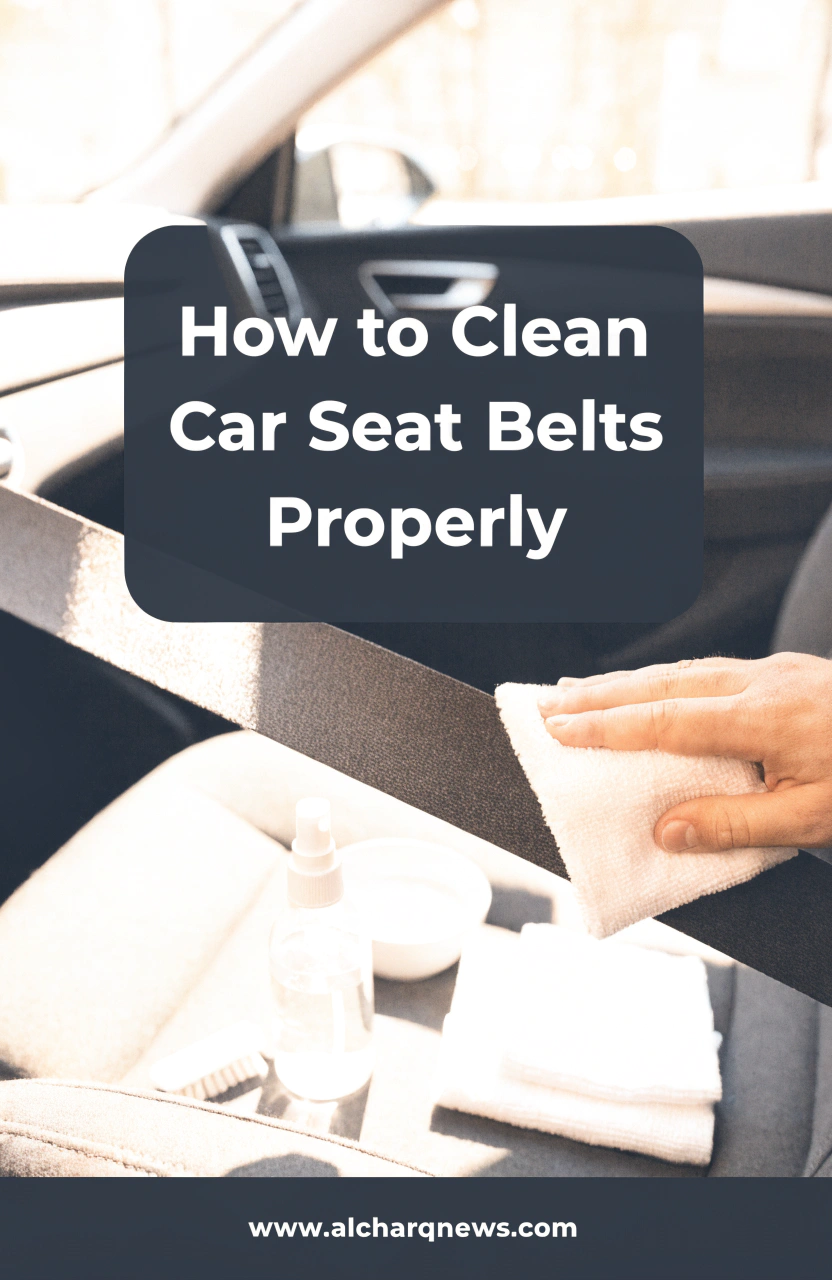
Before you start scrubbing, gather all your supplies. Having everything ready streamlines the process and ensures you won’t have to stop midway. You likely already have most of these items as part of your regular home cleaning supplies:
- Mild Cleaning Solution:
- Option 1 (Gentle): A few drops of mild dish soap (like Dawn) mixed with warm water in a spray bottle or bucket.
- Option 2 (Upholstery Specific): A dedicated car interior cleaner or fabric upholstery cleaner that is safe for automotive textiles. Always check the label for suitability.
- Warm Water: For diluting your cleaner and rinsing.
- Microfiber Cloths: Several clean, soft microfiber cloths for applying cleaner, wiping, and drying.
- Soft-Bristle Brush: An old toothbrush, a detailing brush, or a soft scrub brush for gentle agitation.
- Empty Spray Bottle: If you’re mixing your own solution.
- Bucket: For mixing a larger batch of solution or for rinsing cloths.
- Towel or Clip: To hold the seat belt extended during drying.
- Optional: A small fan or car vacuum for quicker drying and pre-cleaning.
When selecting your cleaning solution, remember that harsh chemicals like bleach or strong degreasers can damage the seat belt fabric, weaken the fibers, and even affect its safety performance. Stick to mild, pH-neutral options.
The Step-by-Step Guide to Cleaning Car Seat Belts
Ready to tackle those grimy straps? Follow these steps for a thorough and safe cleaning process:
Pre-Cleaning Preparation
- Extend the Seat Belt Fully: Pull the seat belt all the way out until it locks. This ensures you can clean the entire length that gets exposed.
- Secure the Belt: Use a clip, clamp, or even close the car door on the extended belt to prevent it from retracting. A simple binder clip works wonderfully, or you can even use a small towel wedged in the door jamb.
- Vacuum if Needed: If there’s a lot of loose dirt, crumbs, or pet hair, give the belt a quick vacuum with a brush attachment before applying any liquid. This is a good habit for general household maintenance inside your car.
The Cleaning Process
- Prepare Your Solution: If using dish soap, mix a few drops into a spray bottle or small bucket of warm water until sudsy. If using a commercial cleaner, follow the product’s instructions.
- Test in an Inconspicuous Area: Before applying to the entire belt, spray a small amount of your cleaning solution onto a hidden section of the belt (e.g., near the anchor point or where it retracts) and dab with a clean microfiber cloth. Check for any discoloration or adverse reactions. If safe, proceed.
- Apply the Cleaner:
- Spray Method: Lightly mist the extended seat belt with your cleaning solution. Don’t saturate it.
- Cloth Method: Dampen a clean microfiber cloth with the solution and wipe down the belt. This gives you more control over the moisture.
- Gently Scrub: Using your soft-bristle brush, gently scrub the seat belt in small sections. Work from top to bottom. Pay extra attention to heavily soiled areas. The goal is to loosen the dirt, not to aggressively abrade the fabric.
- Wipe Away Dirt: With a clean, damp microfiber cloth (dampened with plain water), wipe down the scrubbed section to remove the dirt and cleaning solution. Rinse your cloth frequently in clean water. You’ll be surprised by how much grime comes off!
Rinsing and Drying
- Thorough Rinsing: This is a critical step to prevent residue buildup. Using a fresh, clean microfiber cloth dampened with plain water, wipe down the entire length of the seat belt again. Repeat this process several times, rinsing your cloth thoroughly between wipes, until no more suds or dirt come off.
- Blot Dry: Use a dry, clean microfiber towel to blot as much moisture out of the seat belt as possible. Press firmly along the length of the belt.
- Air Dry Completely: This is perhaps the most important step to prevent mildew and odors. Keep the seat belt extended and secured until it is completely dry. This might take several hours, especially in humid conditions. You can speed up the process by parking your car in the sun with the windows slightly cracked, or by aiming a small fan at the belt. Do not retract the seat belt until it is bone dry. Retracting a damp belt can lead to mold, mildew, and a musty smell that’s harder to remove later.
Tackling Stubborn Stains and Odors
For those particularly tough spots or lingering smells, you might need a targeted approach:
- Grease Stains: For fresh grease, try sprinkling a little cornstarch or baking soda on the stain to absorb the oil before cleaning. Let it sit for 15-30 minutes, then brush off and proceed with your regular cleaning solution.
- Food Stains: Act quickly! For sugary or acidic stains, a mild enzyme cleaner (designed for pet stains or upholstery) can be very effective at breaking down organic matter. Apply according to product directions, then clean as usual.
- Persistent Odors: Once the belt is clean and dry, if a smell lingers, lightly mist with a fabric refresher designed for car interiors, or sprinkle baking soda on the dry belt, let it sit for an hour, then vacuum off. This is a common home cleaning trick that works wonders in the car too.
Common Mistakes to Avoid When Cleaning Car Seat Belts
To ensure you clean your seat belts effectively and safely, steer clear of these common pitfalls:
- Over-Saturating the Belt: Excessive moisture can seep into the retraction mechanism, potentially causing rust, mold, or hindering its operation. Always aim for damp, not soaking wet.
- Using Harsh Chemicals: Bleach, ammonia-based cleaners, or strong degreasers can weaken the seat belt fibers, degrade their protective coatings, and cause discoloration. Stick to mild, pH-neutral cleaners.
- Not Drying Completely: Retracting a damp seat belt is a recipe for mildew, foul odors, and potential damage to the internal spring mechanism. Always ensure it’s completely dry before letting it retract.
- Forgetting to Test: Always test your cleaning solution on an inconspicuous area first to prevent accidental discoloration or damage to the fabric.
- Aggressive Scrubbing: While you want to remove dirt, scrubbing too hard can damage the fabric weave and shorten the life of your seat belt. Gentle but firm is the key.
Maintaining Cleanliness: Integrating Car Care into Your Household Routine
Cleaning your car seat belts doesn’t have to be a monumental task. By integrating car interior care into your regular cleaning schedules, you can keep them looking fresh with minimal effort. Think of it as an extension of your overall household maintenance.
- Weekly Wipe-Down: A quick wipe with a slightly damp microfiber cloth can prevent dirt buildup.
- Monthly Spot Treatment: Address any small spills or new marks immediately. A small bottle of car interior cleaner and a microfiber cloth stored in your car’s glove box can be a handy storage solution for quick clean-ups.
- Quarterly Deep Clean: Plan a more thorough cleaning of your seat belts and other high-touch areas every few months, perhaps when you’re doing a deeper decluttering of your car.
Keeping your car organized also helps reduce the amount of dirt and debris that makes its way onto your seat belts. Regular vacuuming and putting items away in designated storage solutions (like console organizers or seat-back pockets) can make a big difference.
FAQ: Your Questions About Cleaning Car Seat Belts Answered
Q1: How often should I clean my car seat belts?
A1: For general cleanliness, a light wipe-down every few weeks is good. A more thorough cleaning should be done every 3-6 months, or immediately after any significant spills or noticeable dirt accumulation. It really depends on how frequently your car is used and by whom.
Q2: Can I use household cleaners like bleach or all-purpose spray?
A2: No, avoid harsh household cleaners like bleach, ammonia-based sprays, or strong degreasers. These can weaken the seat belt material, affect its safety performance, and cause discoloration. Stick to mild dish soap or a dedicated automotive upholstery cleaner.