Let Your Dishwasher Clean These Things Too: Surprising Items for an Easy Sparkle
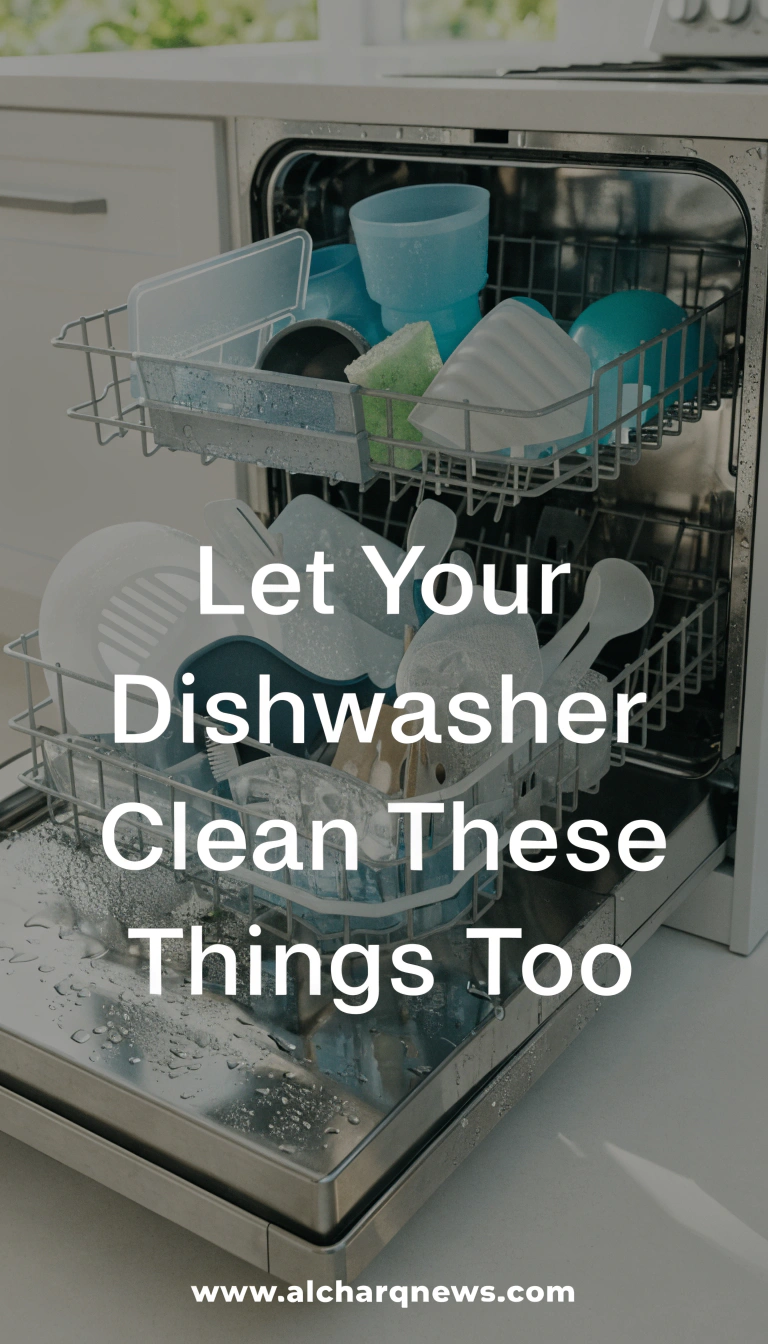
Do you ever feel like your cleaning to-do list never ends? You spend precious time scrubbing, wiping, and sanitizing, only to find more tasks piling up. What if we told you there’s a powerful helper in your kitchen, often overlooked for tasks beyond dinner plates? Your dishwasher isn’t just for dishes. It’s a fantastic tool for making many household items sparkle with minimal effort. Imagine reclaiming your time and achieving a deeper level of clean for things you touch every day. Let your dishwasher clean these things and transform your home cleaning routine. This simple shift can make a big difference in your household organization and overall cleanliness, freeing up your hands for other tasks or simply for relaxation.
Kitchen Helpers: Beyond the Dinner Plate
Your kitchen is a hub of activity. It’s where you cook, eat, and gather. Many items here need regular cleaning, and your dishwasher can handle them with ease.
Sponges and Scrub Brushes
- Why clean them: Sponges and brushes can harbor countless germs. You use them to clean, but they need cleaning too!
- How to do it: Place them on the top rack. Run a regular cycle. The hot water and detergent will sanitize them effectively.
- Tip: Do this a few times a week to keep your cleaning tools truly clean.
Refrigerator Shelves and Drawers
Plastic or glass shelves and drawers from your fridge can get sticky and grimy. Instead of hand-washing each one, let your dishwasher do the work.
- Preparation: Remove any large food debris first.
- Placement: Lay shelves flat on the bottom rack if they fit. Place smaller drawers on the top rack.
- Care: Use a gentle cycle if you’re worried about heat on plastic. Avoid the heated dry setting for plastic items to prevent warping. This is a great time-saving cleaning method for a big task.
Microwave Turntables
The glass plate in your microwave often catches splatters. It can be heavy and awkward to wash by hand.
- Easy clean: Simply place it in the bottom rack of your dishwasher.
- Result: It will come out spotless and ready for your next meal.
Sink Strainers and Stoppers
These small items collect food particles and can get pretty gross. They are perfect for a quick dishwasher run.
- Method: Toss them into the silverware basket or a small mesh bag on the top rack.
- Benefit: They’ll be sanitized and free of gunk.
Bathroom Bliss: Sparkle and Sanitize with Ease
Bathrooms are high-traffic areas that need regular sanitizing. Your dishwasher can help make your bathroom a cleaner, healthier space.
Toothbrush Holders and Soap Dishes
These items collect toothpaste residue and soap scum. They are often overlooked in daily cleaning.
- Placement: Put them on the top rack.
- Benefit: The hot water and detergent will get rid of grime and germs, improving your household organization by keeping things tidy.
Shower Caddies and Small Storage Bins
Plastic or metal shower caddies can accumulate soap residue and mildew. Small plastic bins used for bathroom storage also get dirty.
- Loading: Remove all contents. Place the caddies and bins on the top or bottom rack, ensuring water can reach all surfaces.
- Avoid: Do not put rusted metal items in.
Drain Covers (Plastic or Metal)
Hair and soap scum can clog and dirty drain covers. Cleaning them by hand is often unpleasant.
- Simple solution: Place them in the silverware basket or securely on the top rack.
- Result: They will come out sparkling clean and free of buildup. This is a quick home maintenance tip.
Kids’ Corner & Pet Pals: Cleaning for the Whole Family
If you have kids or pets, you know how quickly things can get messy. The dishwasher can be a secret weapon for keeping their items clean.
Plastic Toys
Small plastic toys, building blocks, and bath toys can harbor germs. A dishwasher cycle is a great way to sanitize them.
- Preparation: Check that toys have no batteries or small parts that could come loose. Avoid toys with decals that might peel.
- Method: Place smaller toys in a mesh laundry bag or the silverware basket. Larger, sturdy plastic toys can go on the top rack.
- Setting: Use a gentle cycle and skip the heated dry to protect plastics. This is a fantastic time-saving cleaning method for parents.
Pet Bowls and Plastic Pet Toys
Pet food and water bowls can get slimy and germy. Plastic pet toys also need regular cleaning.
- Safety first: Ensure items are dishwasher-safe plastic or ceramic. Avoid rubber toys that might degrade.
- Loading: Place bowls on the bottom rack. Small plastic toys can go on the top rack or in the silverware basket.
- Benefit: This helps keep your furry friends healthy and your home cleaner.
Office & Utility Room Wonders: Tidying Up Your Workspace
Even your workspace and utility areas can benefit from a dishwasher clean. Keeping these areas organized is key for productivity.
Desk Organizers and Pen Holders (Plastic or Ceramic)
These items collect dust, pen marks, and general desk grime.
- Clean strategy: Pop them onto the top rack of your dishwasher.
- Outcome: They’ll emerge refreshed, helping you maintain a decluttered and organized workspace.
Light Fixture Globes (Glass)
Dust and grime can dim your lights. Cleaning glass globes can be a delicate task by hand.
- Gentle approach: Carefully place glass globes (without any electrical components) on the top or bottom rack, ensuring they are secure and won’t clink against other items.
- Setting: Use a gentle cycle if possible. Skip the heated dry setting to avoid potential damage from rapid temperature changes.
- Note: This applies only to the glass shades, not the electrical parts.
Small Trash Cans (Plastic)
Small bathroom or office trash cans can get surprisingly dirty, especially on the inside.
- Deep clean: Rinse out any loose debris first. Place the plastic can on the bottom rack, ensuring it’s stable.
- Result: A truly clean and odor-free bin, contributing to better household organization.
General Household Items: Beyond the Obvious
Many everyday items around your home can also get a fantastic refresh in the dishwasher.
Vases and Planters (Glass or Ceramic)
Flower vases often get water stains or mineral buildup. Small ceramic planters can accumulate soil residue.
- Clean tip: Place them upside down on the bottom rack.
- Benefit: They’ll come out sparkling, ready for new blooms or plants. This contributes to better home maintenance.
Hairbrushes and Combs (Plastic)
Hairbrushes collect hair, dust, and product residue. Cleaning them by hand is tedious.
- Preparation: Remove all hair from the brush first.
- Method: Place plastic brushes and combs (without wooden handles or natural bristles) in the silverware basket or on the top rack.
- Caution: Avoid heat dry for plastic brushes.
Vent Covers and Grates (Plastic or Metal)
Air vents collect dust and can become unsightly. Cleaning them can be a dusty job.
- Easy solution: Remove the covers and place them on the top or bottom rack.
- Result: They’ll be clean and dust-free, improving your home’s air quality and appearance.
Common Mistakes to Avoid: Dishwasher Do-Nots
While your dishwasher is versatile, it’s not a magic bullet for everything. Knowing what to avoid is just as important as knowing what to clean.
- Wood Items: Wood can warp, crack, and lose its finish in the high heat and moisture of a dishwasher. This includes cutting boards, wooden spoons, and wooden-handled brushes.
- Cast Iron: The dishwasher will strip away the seasoning on cast iron, leading to rust.
- Delicate Metals: Silver, copper, and aluminum can tarnish, pit, or discolor in the dishwasher, especially with certain detergents.
- Electronics or Items with Electrical Components: This is a big no-no. Any item with batteries, plugs, or wiring should never go near water, let alone a dishwasher.
- Rubber Items (some types): While some sturdy rubber items are fine, delicate rubber seals or certain rubber toys can degrade, crack, or melt.
- Sharp Knives: Not only can they dull, but they can also damage the dishwasher racks or cause injury when unloading.
- Items with Labels or Decals: Labels can peel off and clog the filter, and decals can be ruined.
- Overloading: Just like with dishes, overloading prevents proper cleaning and can damage items. Ensure water and detergent can reach all surfaces.
- Using Heated Dry on Plastics: Always choose air dry or open the door after the wash cycle for plastic items to prevent warping or melting.
Always check manufacturer instructions if you’re unsure if an item is dishwasher safe. A little caution goes a long way in home maintenance.
FAQ: Your Dishwasher Cleaning Questions Answered
Q1: Can I really wash sponges and scrub brushes in the dishwasher?
A1: Yes, absolutely! Placing sponges and plastic-handled scrub brushes on the top rack of your dishwasher is an excellent way to sanitize them. The hot water and detergent effectively kill germs and remove grime, making them clean and ready for your next cleaning task.
Q2: What materials should I absolutely never put in the dishwasher?
A2: Avoid putting wood, cast iron, delicate metals (like silver, copper, aluminum), items with electrical components, and very sharp knives in the dishwasher. These materials can be damaged, warp, rust, or even damage your dishwasher.
Q3: Do I need to use a special detergent for non-dish items?
A3: No, your regular dishwasher detergent is usually fine. Just ensure it’s a quality detergent. For delicate items, you might opt for a milder detergent or a shorter, gentler cycle. Always avoid harsh chemicals that aren’t specifically designed for dishwashers.
Q4: How often should I clean these non-dish items in the dishwasher?
A4: It depends on the item and how frequently it’s used. For high-touch items like sponges and pet bowls, once or twice a week is ideal. For items like fridge shelves or light globes, a monthly or quarterly clean might be sufficient. Incorporating these into your cleaning schedules makes it easy.
Q5: Will cleaning these items affect my dishes or the dishwasher itself?
A5: No, as long as you follow the guidelines. Pre-rinse heavily soiled items to prevent food debris from transferring. The dishwasher is designed to clean effectively and will rinse away any residue. Cleaning these items can actually contribute to better home maintenance by keeping your cleaning tools and home accessories sanitized.