20+ Uses for Vinegar: Your All-Natural Cleaning & Organization Powerhouse
Are you searching for an affordable, eco-friendly, and incredibly versatile solution to tackle a myriad of household chores? Look no further than your pantry! White distilled vinegar, a humble kitchen staple, boasts an impressive array of over 20+ uses for vinegar that can revolutionize your approach to home cleaning, decluttering, and general household maintenance. From sparkling surfaces to fresh laundry, this acidic liquid is a true multi-tasker that deserves a prime spot in your cleaning caddy.
Forget about a cupboard full of specialized cleaners. With vinegar, you can simplify your cleaning schedules, cut down on chemical exposure, and achieve a remarkably clean and organized home. Let’s dive into the surprising ways vinegar can make your life easier, cleaner, and more efficient.
Vinegar for Sparkling Home Cleaning & Organization
Vinegar’s acetic acid content makes it a formidable foe against grime, grease, soap scum, and odors. It’s a natural disinfectant that can help you maintain a hygienic living space.
Kitchen Cleaning Hacks
Your kitchen sees a lot of action, and vinegar is ready for the challenge.
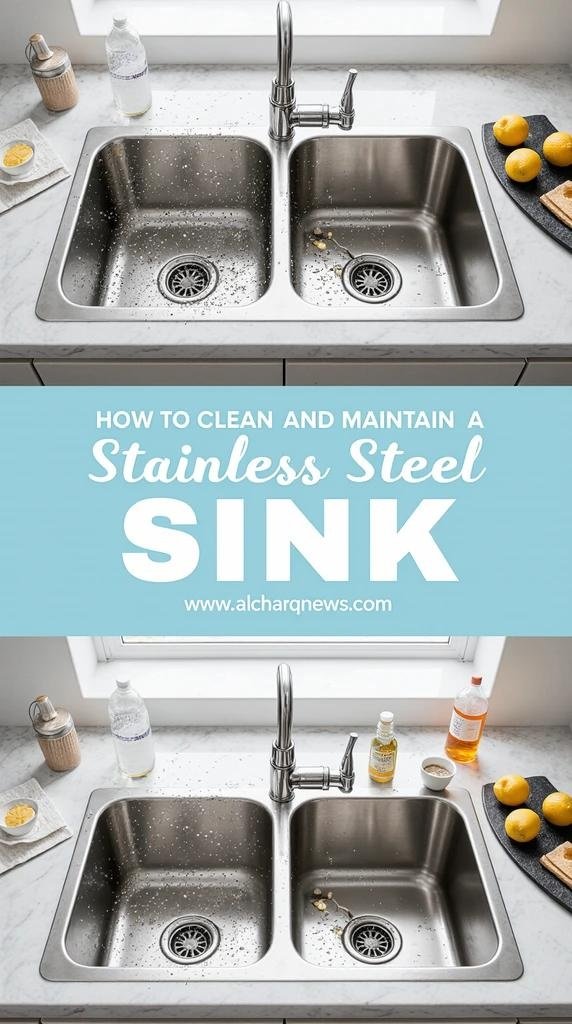
- Countertops & Sinks: Mix equal parts white vinegar and water in a spray bottle. Spray on surfaces, let sit for 5 minutes, then wipe clean. It cuts through grease and sanitizes.
- Dishwasher Freshener: Place a cup of white vinegar in an empty, top-rack-safe bowl and run a hot cycle to remove mineral buildup and odors. Do this monthly as part of your home organization routine.
- Microwave Cleaner: Combine 1/2 cup water and 1/2 cup vinegar in a microwave-safe bowl. Heat for 3-5 minutes until steaming. Let it sit for 5 minutes without opening the door. The steam loosens dried food, making it easy to wipe away.
- Cutting Board Sanitizer: Spray undiluted vinegar on your cutting boards after washing to kill bacteria. Rinse thoroughly after a few minutes.
- Coffee Maker Descaler: Fill the water reservoir with equal parts water and vinegar. Run a brewing cycle halfway, then pause for an hour before finishing. Run two cycles with plain water afterward to rinse.
- Garbage Disposal Freshener: Pour 1 cup of vinegar into the disposal, let it sit for 30 minutes, then flush with cold water. For extra power, freeze vinegar in ice cube trays with lemon peels and grind them.
- Refrigerator Cleaner: Wipe down shelves and drawers with a 50/50 vinegar and water solution to clean and deodorize.
- Fruit Fly Trap: Pour a small amount of apple cider vinegar into a bowl, add a drop of dish soap, and leave it on your counter. The flies are attracted to the vinegar and get trapped by the soap.
Bathroom Brilliance
Vinegar is a champion against the common bathroom scourges of soap scum and hard water stains.
- Toilet Bowl Cleaner: Pour 1-2 cups of white vinegar into the bowl, let it sit for several hours (or overnight), then scrub and flush.
- Showerhead Descaler: Fill a plastic bag with white vinegar and secure it around your showerhead with a rubber band, ensuring the head is submerged. Leave overnight, then remove and scrub away mineral deposits. This simple household maintenance step improves water pressure.
- Grout Cleaner: Spray a vinegar and water solution directly onto grout lines, let it sit for 10-15 minutes, then scrub with a brush.
- Mirror & Glass Cleaner: Mix 1/4 cup white vinegar, 1/4 cup rubbing alcohol, 1 tablespoon cornstarch, and 2 cups water in a spray bottle. Spray and wipe with a microfiber cloth for streak-free shine.
- Drain Cleaner (Mild Clogs): Pour 1/2 cup baking soda down the drain, followed by 1 cup white vinegar. Let it fizz for 30 minutes, then flush with hot water.
- Soap Scum Remover: Spray undiluted vinegar onto shower walls and doors, let it sit for 15-20 minutes, then wipe and rinse.
Laundry Room Refresh
Vinegar can boost your laundry’s cleanliness and softness without harsh chemicals.
- Natural Fabric Softener: Add 1/2 cup white vinegar to your washing machine’s fabric softener dispenser during the rinse cycle. It softens clothes and removes detergent residue.
- Stain Remover: For mild stains, dab undiluted vinegar directly onto the spot before washing. For yellow armpit stains, soak the garment in a solution of 1 part vinegar to 12 parts water before laundering.
- Odor Eliminator: Add 1 cup of vinegar to a smelly load of laundry to get rid of musty odors, especially in towels or workout clothes.
- Washing Machine Cleaner: Run an empty hot water cycle with 2 cups of white vinegar in the detergent dispenser to clean out soap scum and mildew.
General Home Cleaning & Decluttering
Vinegar extends its usefulness to every corner of your living space, making home organization easier.
- Window Cleaner: Use the mirror cleaner recipe above for sparkling windows.
- Dust Repellent: Lightly dampen a cloth with a 50/50 vinegar and water solution to wipe down dusty surfaces. The slight acidity helps repel dust.
- Air Freshener: Place a small bowl of white vinegar in a room to absorb lingering odors like smoke, pet smells, or cooking fumes.
- Sticky Residue Remover: Dab a cloth with undiluted vinegar and use it to remove sticker residue from jars, walls, or floors.
- Pet Odor Neutralizer: Spray a diluted vinegar solution on carpets or upholstery (test in an inconspicuous spot first) to neutralize pet odors. Blot dry.
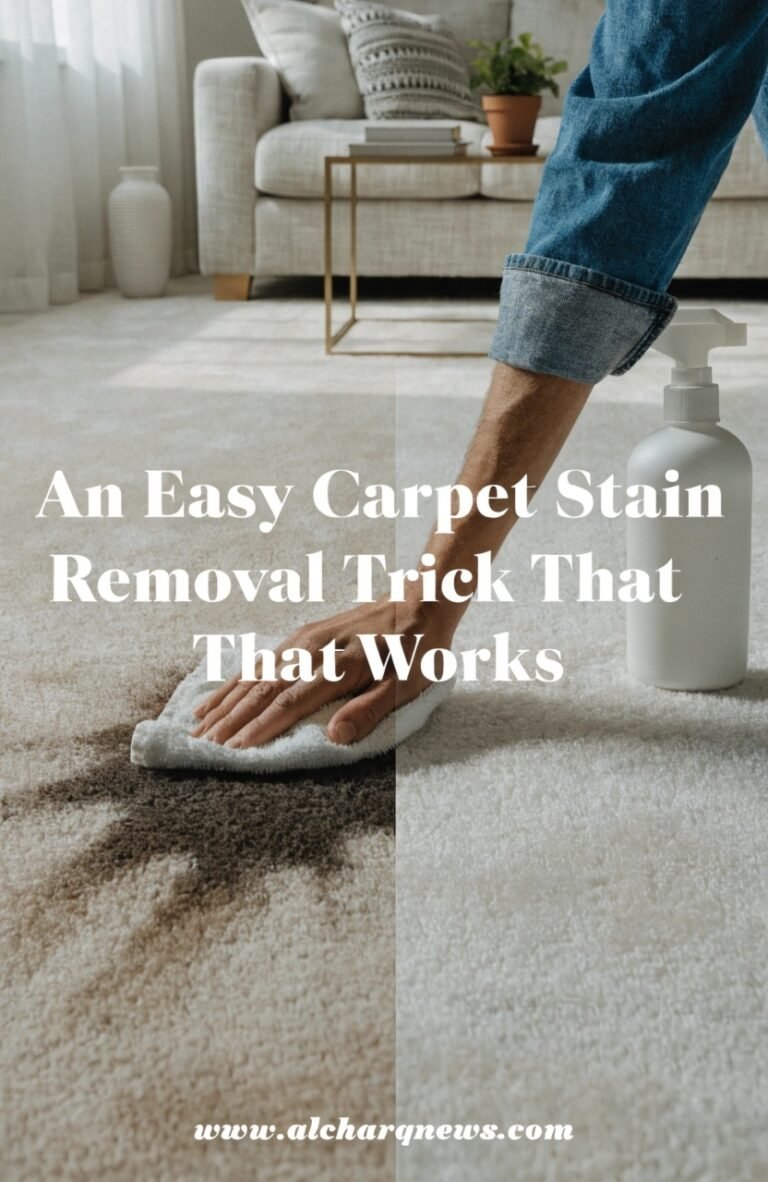
- Carpet Stain Remover: Mix 1 tablespoon white vinegar with 1 tablespoon dish soap and 2 cups warm water. Apply to the stain, blot, and rinse.
Vinegar for Outdoor & Automotive Care
The utility of vinegar isn’t confined to indoors. It’s a fantastic aid for your garden and vehicle maintenance.
- Weed Killer: Spray undiluted white vinegar directly onto stubborn weeds on a sunny day. Be cautious, as it can harm desirable plants. This is a great natural alternative for garden maintenance.
- Pest Repellent (Mild): A diluted vinegar spray can deter ants and other mild pests from certain areas of your garden.
- Cleaning Garden Tools: Soak rusty tools in undiluted vinegar overnight, then scrub off the rust.
- Car Windshield Cleaner: Mix 3 parts white vinegar to 1 part water. Spray on your windshield and wipe with newspaper for a streak-free shine and to help prevent ice buildup.
- Car Chrome Cleaner: Use a 50/50 vinegar and water solution to shine chrome accents on your car.
Surprising Personal & Pet Uses for Vinegar
While primarily a cleaner, vinegar also has some lesser-known applications for personal care and pet well-being (always consult a vet for pet health issues).
- Hair Rinse: A diluted apple cider vinegar rinse (1-2 tablespoons per cup of water) after shampooing can remove product buildup, add shine, and balance scalp pH.
- Foot Soak: Soaking your feet in a solution of warm water and 1 cup of white vinegar can help with foot odor and soften rough skin.
- Pet Ear Cleaner (Consult Vet): A very diluted solution of white vinegar and water can sometimes be recommended by vets for routine ear cleaning in pets to prevent infections. Always get professional advice first.
Common Vinegar Mistakes & Safety Tips
While vinegar is incredibly versatile, it’s not suitable for every surface or task. Knowing what to avoid is crucial for effective and safe home cleaning.
What NOT to Clean with Vinegar:
- Natural Stone (Marble, Granite, Quartz): The acid in vinegar can etch and dull these surfaces, stripping their sealant.
- Waxed Furniture: Vinegar can dissolve wax finishes, leaving streaks and dull spots.
- Cast Iron: Vinegar can strip the seasoning from cast iron, leading to rust.
- Electronics Screens: The acidity can damage anti-glare coatings on TVs, computers, and phone screens.
- Rubber Seals: Prolonged exposure can degrade rubber components, such as those found in washing machines and dishwashers.
Important Safety Considerations:
- Never Mix with Bleach: This is paramount. Mixing vinegar and bleach creates toxic chlorine gas, which is extremely dangerous.
- Dilute Appropriately: For most cleaning tasks, a 50/50 solution of vinegar and water is sufficient. Undiluted vinegar should be used sparingly and with caution.
- Test First: Always test vinegar solutions on an inconspicuous area of any new surface to ensure it doesn’t cause damage or discoloration.
- Ventilate: While natural, vinegar has a strong smell. Ensure good ventilation when cleaning with it.
- Store Safely: Keep vinegar out of reach of children and pets.
Frequently Asked Questions About Cleaning with Vinegar
Q1: Is white vinegar safe for all surfaces?
No, white vinegar is not safe for all surfaces. Avoid using it on natural stone (like marble, granite, or quartz), waxed furniture, cast iron, and electronics screens, as its acidity can cause damage or dullness.
Q2: Can I mix vinegar with bleach for a stronger cleaner?
Absolutely NOT. Mixing vinegar and bleach creates toxic chlorine gas, which is extremely dangerous and can cause severe respiratory problems or even death. Always keep these two products separate.
Q3: What’s the best type of vinegar for cleaning?
White distilled vinegar is the best and most recommended type for cleaning. It’s clear, inexpensive, and has a higher acetic acid content than most other vinegars, making it effective without leaving stains.
Q4: How often should I use vinegar for cleaning?
The frequency depends on the task. For daily or weekly cleaning, a diluted solution is fine. For descaling appliances or tackling tough grime, monthly or as-needed applications are usually sufficient. Incorporating it into your regular cleaning schedules is key.
Q5: Does vinegar kill germs effectively?
Vinegar’s acetic acid has antibacterial properties and can kill some bacteria and viruses, making it a good natural disinfectant. However, it’s not as potent as commercial disinfectants like bleach or hydrogen peroxide for killing all types of pathogens. It’s excellent for general home cleaning and sanitizing.
Embrace the Power of Vinegar for a Cleaner Home
From tackling stubborn kitchen grease to refreshing your laundry and even aiding in light outdoor tasks, the 20+ uses for vinegar truly make it an indispensable tool for any household. By integrating vinegar into your home cleaning and organization routines, you’re choosing an effective, economical, and environmentally friendly path to a sparkling clean and well-maintained living space.
So, next time you’re planning your cleaning schedules or looking for simple storage solutions, remember the humble power of vinegar. Stock up, grab a spray bottle, and prepare to be amazed by this natural cleaning powerhouse. Your home, your wallet, and the planet will thank you!