Say Goodbye to Fridge Odors: Your Guide to Easy DIY Fridge Deodorizer Solutions
There’s nothing quite as off-putting as opening your refrigerator door only to be hit by an unpleasant smell. It’s a common household problem, and while store-bought solutions exist, you might be surprised to learn how simple and effective natural ingredients can be. This guide will walk you through creating an easy DIY fridge deodorizer using items you likely already have in your pantry, transforming your kitchen into a fresher, more inviting space. Say goodbye to mysterious odors and hello to a clean-smelling fridge!
Why Your Fridge Smells: Understanding the Root Cause
Before we dive into solutions, it’s helpful to understand why your fridge might be smelling in the first place. Tackling the root cause is the first step in effective home cleaning and maintaining a fresh environment.
Common Culprits
- Expired or Spoiled Food: This is the most obvious culprit. Forgotten leftovers, old produce, or dairy products can produce strong, foul odors as they decompose.
- Spills and Residue: A forgotten splash of milk, juice, or sauce can seep into crevices and under shelves, creating a breeding ground for bacteria and smells.
- Strong-Smelling Foods: Some foods, like onions, garlic, certain cheeses, or fish, naturally emit powerful aromas that can permeate the entire fridge if not properly stored.
- Lack of Air Circulation: An overstuffed fridge can prevent air from circulating effectively, trapping odors and making them more pronounced.
The Importance of Regular Cleaning
A deodorizer is a temporary fix if you don’t address the underlying issue. Regular home cleaning and diligent household maintenance are essential. This means not just wiping down surfaces, but also regularly checking expiration dates, cleaning up spills immediately, and giving your fridge a thorough scrub down every few weeks.
The Power of Natural Ingredients: Your DIY Deodorizer Toolkit
Nature provides us with incredible tools for combating odors. These ingredients are safe, non-toxic, and surprisingly effective at neutralizing smells rather than just masking them.
Baking Soda: The Unsung Hero
Sodium bicarbonate, or baking soda, is perhaps the most well-known natural deodorizer. Its chemical structure allows it to absorb and neutralize acidic and basic odor molecules, making it incredibly versatile for various home cleaning tasks.
Activated Charcoal: A Heavy Hitter
Activated charcoal is porous and has a vast surface area, making it excellent at trapping odor molecules. It’s often used in air filters and water purification systems for its powerful absorbent qualities. Look for food-grade activated charcoal for this purpose.
Coffee Grounds: Aromatic Odor Neutralizer
Used coffee grounds (dried) have a strong, pleasant aroma that can help overpower and absorb other less desirable smells. The nitrogen in coffee helps to neutralize sulfur compounds, which are often responsible for foul odors.
Oats: Surprisingly Effective
Plain dry rolled oats are also surprisingly good at absorbing odors. Their porous nature allows them to soak up airborne smells, making them a gentle yet effective option.
Citrus Peels & Essential Oils: Adding a Fresh Scent
While not strictly odor neutralizers in the same way as baking soda or charcoal, citrus peels (lemon, orange, grapefruit) release natural oils that can add a pleasant, fresh scent to your fridge. Essential oils, used sparingly, can also contribute to a fresh aroma, but be cautious not to let them come into direct contact with food.
How to Make Your Easy DIY Fridge Deodorizer: Step-by-Step Guides
Here are several practical and easy DIY fridge deodorizer methods you can implement today.
Method 1: The Classic Baking Soda Open Box
- What you need: An open box of baking soda or a small, shallow bowl.
- Instructions: Simply open a fresh box of baking soda and place it on a shelf in your fridge. If using a bowl, pour about half a cup of baking soda into it.
- Placement: Place it towards the back of a shelf, out of the way, but where air can circulate around it.
- Maintenance: Replace every 1-3 months, or sooner if strong odors return.
Method 2: Activated Charcoal Pouch
- What you need: About 1/2 cup of activated charcoal (pellets or powder), a small breathable bag (like a muslin bag, old sock, or pantyhose), and a shallow dish if using powder to prevent mess.
- Instructions: Fill your breathable bag with activated charcoal. Tie it securely.
- Placement: Hang it on a shelf, place it in a door compartment, or tuck it into a corner. If using powder, place the bag in a shallow dish to catch any stray particles.
- Maintenance: Replace every 1-2 months. You can “recharge” activated charcoal by placing it in direct sunlight for a few hours, which helps release trapped odors.
Method 3: Coffee Ground Sachet
- What you need: About 1/2 cup of dried, used coffee grounds, a small breathable bag or sachet.
- Instructions: Spread used coffee grounds on a baking sheet and let them air dry completely for a day or two to prevent mold. Once dry, place them in a breathable bag.
- Placement: Place the sachet in a discreet corner of your fridge or freezer.
- Maintenance: Replace every 2-4 weeks.
Method 4: Citrus Bowl Refresh
- What you need: Peels from 1-2 citrus fruits (lemon, orange, grapefruit), a small bowl.
- Instructions: Simply place the fresh citrus peels in a small, open bowl.
- Placement: Position it on a shelf where it won’t be easily knocked over.
- Maintenance: Replace every few days as the peels dry out and lose their scent. This is a great way to use up peels after juicing!
Method 5: Oats in a Bowl
- What you need: About 1 cup of plain dry rolled oats, a shallow bowl.
- Instructions: Pour the oats into the bowl.
- Placement: Place the bowl on a fridge shelf.
- Maintenance: Replace every 1-2 months.
Beyond Deodorizing: Comprehensive Fridge Organization and Cleaning Tips
A truly fresh fridge goes beyond just deodorizers. It involves a holistic approach to home organization and regular cleaning schedules.
The Initial Deep Clean
Before placing any deodorizers, give your fridge a thorough deep clean. This is a vital step in effective home cleaning.
- Empty Everything: Remove all food items. This is a great opportunity for decluttering and checking expiration dates. Toss anything past its prime.
- Remove Shelves and Drawers: Take out all removable parts. Wash them with warm, soapy water. For stubborn grime, a mixture of equal parts white vinegar and water works wonders.
- Wipe Down Interior: Use a clean cloth dampened with a gentle cleaning solution (like warm water with a few drops of dish soap, or a vinegar-water mix) to wipe down all interior surfaces, including walls, ceiling, and door seals. Pay attention to spills and sticky spots.
- Dry Thoroughly: Ensure all surfaces are completely dry before putting food back to prevent mold and mildew.
Smart Storage Solutions for Odor Prevention
Proper food storage is key to preventing future odors and maintaining good home organization.
- Airtight Containers: Store strong-smelling foods (onions, garlic, leftovers, cheeses) in airtight containers. Glass containers are excellent as they don’t absorb odors like some plastics can.
- Food Covers: Use cling film, foil, or reusable food covers for bowls and plates of food.
- Dedicated Zones: Implement a system of home organization by assigning specific zones for different food types (e.g., dairy shelf, produce drawers, meat drawer). This helps with quick identification and prevents cross-contamination.
- Clear Bins: Use clear bins or baskets as storage solutions to group similar items and prevent small items from getting lost or forgotten.
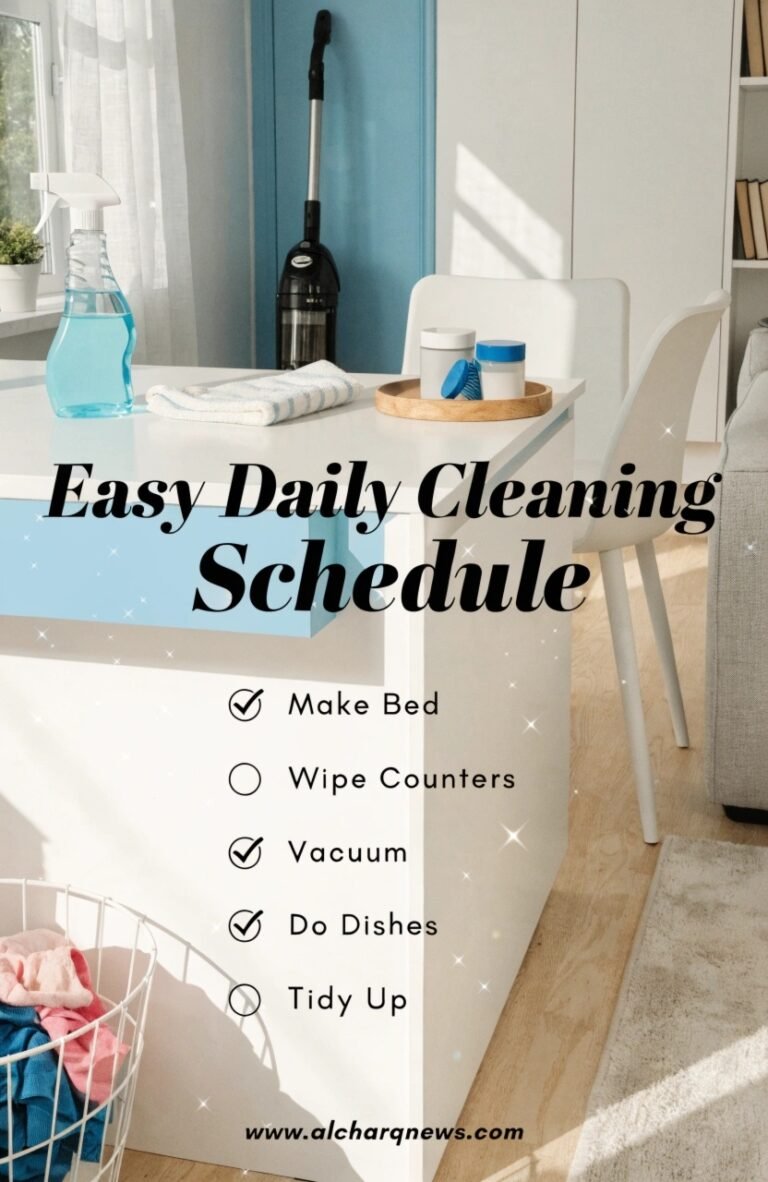
Implementing a Cleaning Schedule
Consistency is key for household maintenance. Develop a simple cleaning schedule to keep odors at bay.
- Weekly Wipe-Down: Quickly wipe down shelves and handle any minor spills. Check for anything nearing its expiration date.
- Monthly Mini-Deep Clean: Every month, remove a few items from each shelf, give the shelf a quick wipe, and rotate your food. Replace your DIY deodorizer.
- Quarterly Deep Clean: Every three months, perform the full deep clean outlined above.
Organizing for Freshness
Good organization isn’t just about aesthetics; it’s about functionality and freshness. Practice the “first-in, first-out” (FIFO) method for food to ensure older items are used before they spoil.
Common Mistakes to Avoid When Deodorizing Your Fridge
Even with the best intentions, some common missteps can hinder your deodorizing efforts.
- Not Cleaning First: Trying to deodorize a dirty fridge is like putting perfume on a dirty body. You’re just masking the smell, not eliminating it. Always start with a thorough clean.
- Using Too Much Fragrance: While citrus peels or a drop of essential oil can add a pleasant scent, relying solely on strong fragrances can just mask underlying issues. Focus on odor absorption first. Avoid placing highly scented items directly next to absorbent foods.
- Forgetting to Replace Deodorizers: Natural deodorizers absorb odors until they become saturated. If you don’t replace them regularly, they lose their effectiveness. Set a reminder on your phone or calendar!
- Ignoring Spills: Even tiny spills can cause big problems. Make it a habit to wipe up spills immediately, no matter how small.
- Overstuffing the Fridge: A packed fridge restricts airflow, making it harder for deodorizers to work and for cool air to circulate efficiently, which can lead to faster spoilage. Practice smart home organization to keep it adequately stocked but not overflowing.
Frequently Asked Questions About Fridge Deodorizing
Q1: How often should I replace my DIY fridge deodorizer?
A1: Generally, baking soda should be replaced every 1-3 months. Activated charcoal lasts 1-2 months and can sometimes be “recharged” in sunlight. Coffee grounds and citrus peels need to be replaced more frequently, every 2-4 weeks or every few days, respectively.