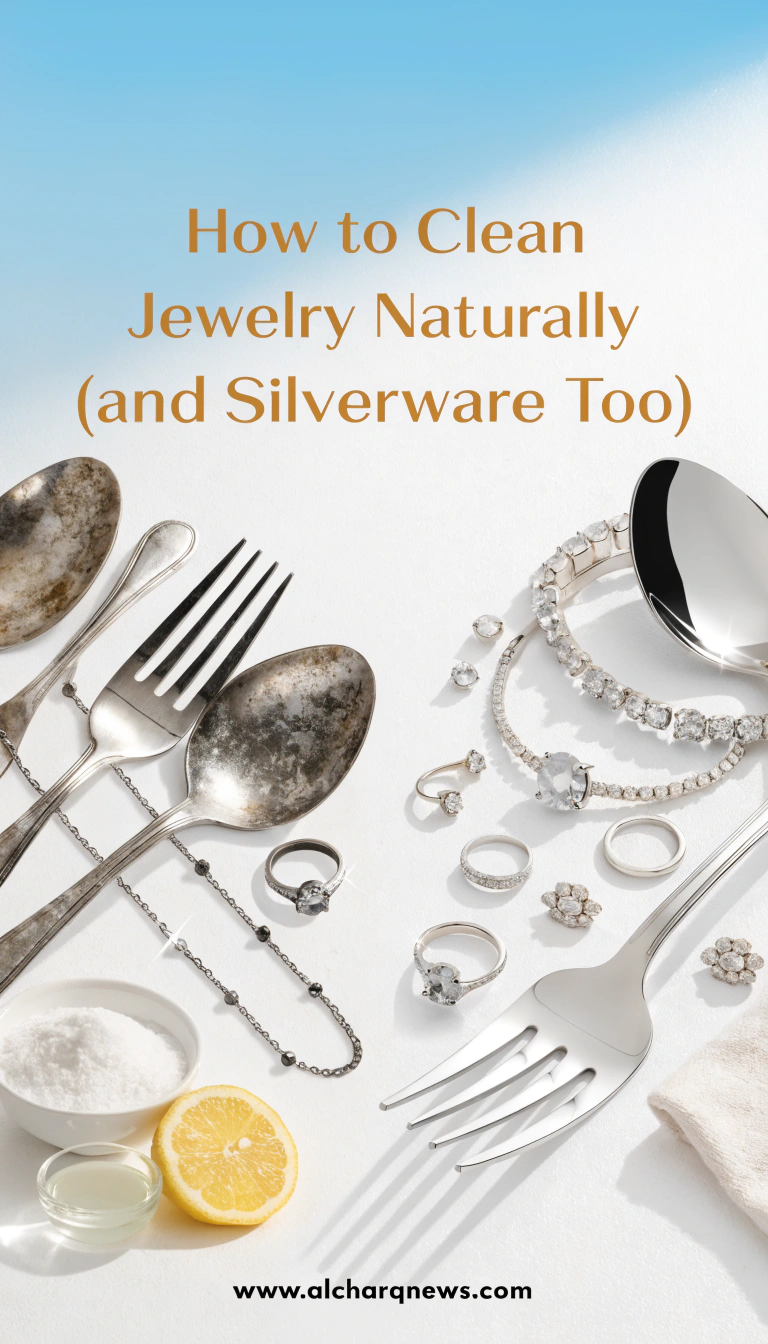
How to Clean Jewelry Naturally (and Silverware Too)
Your jewelry isn’t just an accessory; it holds memories, tells stories, and often carries sentimental value. That sparkling engagement ring, the heirloom necklace, or even your everyday silver earrings – they all deserve to look their best. But over time, dirt, oils, and tarnish can dull their brilliance, making them seem less special. You might think harsh chemicals are the only way to restore their shine, but what if you could achieve stunning results using simple, natural ingredients you already have at home? This guide will show you how to clean jewelry naturally, safely restoring the luster to your precious pieces and even your silverware, without exposing them to harsh substances. Get ready to rediscover the true beauty of your beloved treasures with easy, effective home cleaning methods.
Why Choose Natural Cleaning for Your Valuables?
Opting for natural cleaning methods goes beyond just avoiding chemicals. It’s about being gentle with your precious items, protecting your skin, and contributing to a healthier home environment. Many commercial jewelry cleaners contain strong acids or abrasives that can damage delicate gemstones, erode metal finishes, or cause skin irritation. Natural alternatives are often just as effective, much safer, and incredibly budget-friendly.
The Benefits of a Gentle Approach
- Safety First: Protects your skin from harsh chemicals and fumes.
- Preserves Delicates: Less risk of damage to soft stones or intricate designs.
- Eco-Friendly: Reduces chemical runoff into your waterways.
- Cost-Effective: Uses common household ingredients, saving you money.
- Peace of Mind: You know exactly what ingredients are touching your cherished items.
General Principles for Safe Jewelry Cleaning at Home
Before you dive into cleaning, it’s important to understand a few universal rules. These tips will help you protect your jewelry and ensure a successful cleaning experience, regardless of the method you choose.
Essential Tools for Your Jewelry Cleaning Kit
- Soft-bristled toothbrush (a baby toothbrush works wonders)
- Soft, lint-free cloths (microfiber or cotton)
- Small bowls or containers
- Warm water (never hot, especially for certain gemstones)
- Strainer for rinsing over a sink (to prevent loss down the drain)
- Cotton swabs for intricate details
Important Precautions to Always Take
- Know Your Jewelry: Identify the metals and gemstones. Some stones (like opals, pearls, turquoise, and emeralds) are porous or sensitive to certain ingredients and shouldn’t be submerged or exposed to acids.
- Inspect Before You Clean: Check for loose stones or damaged settings. Cleaning can exacerbate existing problems.
- Work Over a Soft Surface: Clean over a towel or a mat to cushion any drops and prevent scratches.
- Rinse Thoroughly: Always rinse your jewelry well with cool or lukewarm water after cleaning to remove all residue.
- Dry Completely: Pat dry with a soft cloth. Allow air drying for a few minutes to ensure no moisture remains, especially in crevices.
Natural Cleaning Methods for Different Jewelry Types
Not all jewelry is created equal, and neither are cleaning methods. What works for a diamond might harm a pearl. Here’s how to clean different types of jewelry naturally and safely.
Sparkling Diamonds, Gold, and Platinum
These durable materials can handle a bit more robust cleaning.
- The Gentle Soap Bath: Mix a few drops of mild dish soap (like Dawn) with warm water in a small bowl.
- Soak: Place your diamond, gold, or platinum jewelry in the solution for 15-30 minutes.
- Scrub: Gently scrub with a soft-bristled toothbrush, paying attention to crevices and behind stones.
- Rinse: Rinse thoroughly under cool, running water (use a strainer!).
- Dry: Pat dry with a lint-free cloth.
Caring for Gemstones (Sapphires, Rubies, Amethysts, etc.)
Most hard gemstones can be cleaned with the gentle soap bath method described above. However, be cautious with very soft or porous stones. If you’re unsure, always opt for the mildest method.
- Avoid Hot Water: Drastic temperature changes can damage some stones.
- No Harsh Scrubbing: Use a very soft touch.
- Quick Soak: Limit soaking time to 10-15 minutes.
Delicate Pearls and Opals
These organic gems are very porous and sensitive. They require extreme care.
- Damp Cloth Wipe: Simply wipe pearls and opals with a soft, damp cloth after each wear to remove oils and dirt.
- Mild Soap Solution (Rarely): If truly necessary, dip a soft cloth in a very diluted solution of mild soap and cool water. Gently wipe the pearls, then wipe again with a cloth dampened with plain water.
- Air Dry: Lay pearls flat on a soft cloth to air dry completely before storing. Never submerge pearls or use brushes.
Restoring Tarnished Silver Jewelry
Silver naturally tarnishes when exposed to air and moisture. Here are two effective natural methods.
Baking Soda and Aluminum Foil Method (for heavily tarnished silver)
- Line a Bowl: Line a glass or ceramic bowl with aluminum foil, shiny side up.
- Add Ingredients: Place your silver jewelry on the foil. Sprinkle a generous amount of baking soda (about 1-2 tablespoons per piece) over the silver.
- Pour Hot Water: Carefully pour hot (not boiling) water over the silver until it’s fully submerged. You’ll see a chemical reaction (sulfur transfer) that lifts the tarnish.
- Soak: Let it soak for 5-10 minutes, or until the tarnish has lifted. For very stubborn tarnish, you might need to repeat or let it soak longer.
- Rinse and Dry: Remove the silver, rinse thoroughly under cool water, and buff dry with a soft cloth.
Baking Soda Paste Method (for lighter tarnish or spot cleaning)
- Make a Paste: Mix a small amount of baking soda with a few drops of water to form a thick paste.
- Apply and Rub: Apply the paste to your silver using a soft cloth or your finger. Gently rub the tarnished areas.
- Rinse and Dry: Rinse well under cool water and buff dry.
Tackling Tarnished Silverware Naturally
Your beautiful silverware can also lose its shine. The same principles apply, but on a larger scale.
The Aluminum Foil and Baking Soda Bath for Silverware
- Prepare the Sink: Line your kitchen sink or a large basin with aluminum foil, shiny side up.
- Arrange Silverware: Place your silverware directly on the foil, ensuring each piece touches the foil.
- Add Baking Soda: Sprinkle 1/2 cup of baking soda and 1/4 cup of salt over the silverware.
- Pour Hot Water: Carefully pour hot (not boiling) water over everything until the silverware is submerged.
- Soak: Let it sit for 10-15 minutes, or until tarnish is gone. You’ll often see the tarnish transfer to the foil.
- Rinse and Dry: Remove, rinse each piece thoroughly with cool water, and dry immediately with a clean, soft towel to prevent water spots.
Storing Your Sparkle: Organization Tips
Proper storage is key to keeping your jewelry clean and preventing damage and tarnish. Good household organization is a time-saving cleaning method in itself.
Best Practices for Jewelry Storage
- Individual Compartments: Store pieces separately to prevent scratching and tangling. Jewelry boxes with soft lining and dividers are excellent.
- Airtight Containers (for silver): For silver, consider airtight bags or containers with anti-tarnish strips to slow down oxidation.
- Cool, Dry Place: Avoid storing jewelry in humid bathrooms or direct sunlight. A bedroom dresser or closet is ideal.
- Hang Necklaces: Use hooks or necklace trees to keep chains from tangling, saving you precious time untangling later.
- Soft Pouches: When traveling, use individual soft pouches for each piece.
Silverware Storage Solutions
- Drawer Organizers: Use silverware drawer organizers to keep forks, knives, and spoons separated and tidy.
- Anti-Tarnish Cloths: Wrap individual pieces or sets in anti-tarnish cloth bags or use anti-tarnish strips in your drawer.
- Display Cabinets: If displaying, ensure the cabinet is not too humid and consider using anti-tarnish liners.
Common Mistakes to Avoid When Cleaning Jewelry
Even with the best intentions, some cleaning habits can actually harm your precious items. Be aware of these pitfalls.
- Using Abrasive Materials: Never use toothpaste (it’s too abrasive for most jewelry), steel wool, or harsh scrubbers.
- Ignoring Gemstone Sensitivity: Treating all gems the same can lead to irreversible damage for porous or soft stones.
- Excessive Soaking: Leaving jewelry to soak for too long, especially items with glued settings, can loosen components.
- Hot Water on Certain Gems: Extreme temperature changes can crack or damage some gemstones.
- Forgetting to Rinse and Dry: Residue can dull the shine, and moisture can lead to new tarnish or water spots.
- Cleaning Too Often: While regular cleaning is good, over-cleaning can cause wear and tear. Clean when visibly dirty or dull.
Maintaining the Shine: Cleaning Schedules & Habits
A little routine goes a long way in keeping your jewelry and silverware looking pristine. Integrating these habits into your home cleaning schedule will save you time and effort in the long run.
Daily and Weekly Habits
- Wipe After Wear: For pearls, opals, and even diamonds, a quick wipe with a soft cloth after wearing removes skin oils and makeup.
- Remove Before Chores: Take off rings before doing dishes, cleaning with chemicals, or gardening to prevent exposure to harsh substances and physical damage.
- Shower-Free Zone: Avoid wearing jewelry in the shower, as soap scum can build up and dull the shine.
- Silverware: Wash immediately after use to prevent food residue from hardening and causing tarnish.
Monthly and Quarterly Deep Cleans
- Monthly Spot Check: Give your frequently worn pieces a quick inspection and a gentle soap bath if needed.
- Quarterly Deep Clean: For all other pieces, a more thorough cleaning every few months will maintain their sparkle. This is a great task to add to your seasonal home maintenance checklist.
Frequently Asked Questions About Cleaning Jewelry Naturally
What natural ingredients should I absolutely avoid for jewelry cleaning?
Avoid harsh acids like vinegar (especially for porous stones or silver with patinas), chlorine bleach, and ammonia-based cleaners. Also, never use abrasive materials like toothpaste or rough sponges.
Can I use an ultrasonic cleaner with natural solutions?
Ultrasonic cleaners can be effective, but they can also loosen stones in settings, especially older or delicate pieces. If you use one, stick to plain water or a very mild dish soap solution, and avoid it entirely for pearls, opals, emeralds, or any jewelry with glued components.
How often should I clean my engagement ring?
For an engagement ring worn daily, a quick soap bath weekly or bi-weekly is recommended to keep it sparkling. A professional cleaning once or twice a year is also a good idea to check settings.
My silver jewelry turned black after cleaning. What happened?
If silver turns black immediately after cleaning, it’s likely a reaction with residual tarnish or a chemical in your cleaning solution. Ensure you rinse thoroughly and dry completely. If using the foil method, make sure the baking soda is fresh and the water is hot enough.
Is it safe to clean all gemstones with baking soda?
Baking soda is generally safe for most hard gemstones (like diamonds, sapphires, rubies) and silver. However, avoid it for very soft, porous