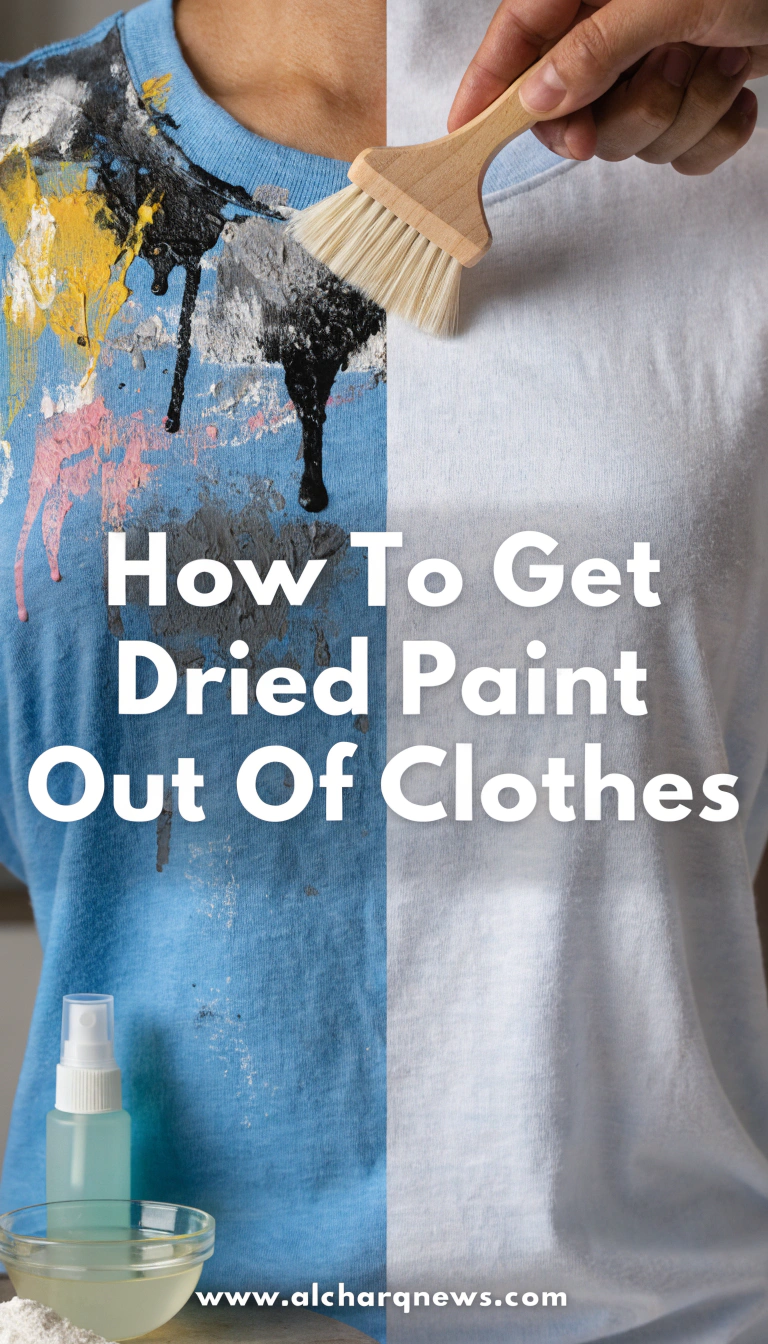
How To Get Dried Paint Out Of Clothes
You know the feeling. You finish a satisfying home improvement project, stepping back to admire your freshly painted walls or upcycled furniture. Then, a sinking realization hits you: a splotch of dried paint, stubbornly clinging to your favorite shirt or a pair of perfectly good jeans. It feels like a moment of defeat, a perfect day marred by a seemingly permanent stain. Don’t despair! That dried paint doesn’t have to mean the end for your beloved garments. With the right approach, some common household items, and a bit of patience, you can often bring your clothes back to life. This guide will walk you through effective strategies for tackling even the most stubborn dried paint stains, saving your wardrobe and keeping your home cleaning routine efficient.
Assess the Damage: What Kind of Paint Is It?
Before you grab any cleaning solution, it’s vital to identify the type of paint. Different paints require different removal methods. Using the wrong product can set the stain further or even damage your fabric.
Water-Based (Latex or Acrylic) Paint
This is the most common type of paint for interior walls and many DIY projects. It’s generally the easiest to remove, especially if you catch it quickly. Once dried, it becomes more challenging but still manageable. Look for “latex” or “acrylic” on the paint can label.
Oil-Based Paint
Often used for trim, doors, or outdoor projects, oil-based paint is more durable and has a strong odor. It’s tougher to remove once dried because it adheres more strongly to fabric fibers. You’ll likely see “oil-based” or “alkyd” on the label.
Specialty Paints (Spray, Enamel, Fabric)
These paints have unique formulations. Spray paint can be particularly tricky due to its fine mist and quick-drying nature. Enamel paint is typically very hard and durable. Fabric paint, by design, is meant to be permanent on fabric, making it the most challenging to remove.
General Prep Before You Start Cleaning
No matter the paint type, a few initial steps can improve your chances of success and protect your clothing.
Gather Your Tools
Before you begin, have everything ready. This prevents you from running around mid-process and potentially letting the stain dry further. A good home organization tip is to have a dedicated “stain removal kit” in your laundry room or under your sink. This might include:
- A dull knife, spoon, or old credit card
- Clean cloths or paper towels
- Dish soap (liquid)
- Rubbing alcohol
- Paint thinner or mineral spirits (for oil-based)
- Acetone nail polish remover (non-gel, non-acetone for delicate fabrics)
- Laundry detergent
- An old toothbrush or scrub brush
- Gloves (especially for stronger solvents)
Test a Hidden Area
Always, always test your chosen cleaning solution on an inconspicuous spot of the garment first. This could be an inside seam or the hem. Apply a small amount and blot gently. Wait a few minutes to ensure it doesn’t cause discoloration or damage to the fabric.
Don’t Rub, Scrape Gently
Resist the urge to rub the dried paint stain vigorously. This can push the paint deeper into the fibers or spread it. Instead, use a dull knife, spoon, or credit card to gently scrape away any excess, raised dried paint. Work carefully from the outside edges of the stain towards the center.
Tackling Water-Based (Latex/Acrylic) Paint
This is where most people start, as latex and acrylic paints are so common in home projects. Even when dried, you have good options.
The Dish Soap Method
Dish soap is a gentle yet effective degreaser, often powerful enough for dried latex paint.
- Lay the stained area flat on a clean surface, paint side down, on a stack of paper towels or a clean cloth.
- Apply a generous amount of liquid dish soap directly to the back of the dried paint stain.
- Using an old toothbrush or your fingers, work the soap into the fabric from the back. You want to push the paint out, not further in.
- Rinse the area thoroughly with warm water.
- Repeat the process if necessary until the stain is gone or significantly faded.
Rubbing Alcohol for Stubborn Spots
If dish soap isn’t quite cutting it, rubbing alcohol (isopropyl alcohol) can be very effective against dried latex paint. Alcohol helps to break down the acrylic binders in the paint.
- Place the stained area face down on a clean paper towel or cloth.
- Saturate a clean cloth or cotton ball with rubbing alcohol.
- Dab the alcohol onto the back of the dried paint stain, working from the outside in. As the paint transfers, move to a clean section of your cloth/paper towel.
- Continue dabbing until the paint is dissolved or significantly lightened.
- Once the paint is gone, rinse the area with warm water and wash the garment as usual.
Laundry Detergent Soak
For larger or older dried paint stains, a good soak can help. Choose a heavy-duty liquid laundry detergent with enzymes. Create a solution of warm water and a good amount of detergent. Submerge the stained garment and let it soak for several hours, or even overnight. After soaking, gently scrub the stain with a brush, then wash normally.
Removing Oil-Based Paint Stains
Oil-based paints require stronger solvents. Always work in a well-ventilated area and wear gloves when using these products.
Mineral Spirits or Turpentine
These are your go-to for dried oil-based paint. They are paint thinners and solvents.
- Lay the garment paint-side down on a stack of old rags or paper towels.
- Dampen a clean cloth or cotton ball with mineral spirits or turpentine.
- Dab the solvent onto the back of the dried paint stain. The goal is to dissolve the paint and transfer it onto the rags underneath.
- Keep moving to clean sections of your dabbing cloth and the rags underneath as the paint transfers.
- Once the paint is gone, apply a small amount of liquid dish soap to the treated area to help break down any remaining solvent or oily residue.
- Rinse thoroughly with warm water.
Paint Thinner (Use with Caution)
Paint thinner is a stronger solvent than mineral spirits. Use it sparingly and only if mineral spirits don’t work. It can be harsh on some fabrics, so always do a patch test. Follow the same dabbing and blotting technique as with mineral spirits.
Pre-Treatment and Washing
After using a solvent, it’s crucial to pre-treat the area with a heavy-duty laundry pre-treater or a dab of liquid laundry detergent. Let it sit for 15-30 minutes, then wash the garment in the hottest water safe for the fabric, using a strong detergent. Air dry the item to ensure the stain is completely gone before putting it in the dryer.
Dealing with Specialty Paints
These require a bit more specific attention, and sometimes, acceptance that the stain might be permanent.
Spray Paint
Spray paint can be tough because it dries quickly and often contains strong binders. Rubbing alcohol, acetone (for sturdy fabrics only – avoid on synthetics like acetate or triacetate!), or even a commercial paint remover designed for fabric can be options. Always test first, and use a dabbing motion from the back of the fabric.
Enamel Paint
Enamel paint is similar to oil-based paint in its tenacity. Mineral spirits or paint thinner are your best bets. Follow the steps for oil-based paint removal carefully, ensuring good ventilation and proper fabric testing.
Fabric Paint (Often Permanent)
Unfortunately, fabric paint is designed to be permanent. Once it’s dried and heat-set, it’s incredibly difficult, if not impossible, to remove without damaging the fabric. Your best bet is to try rubbing alcohol or acetone on a hidden area, but manage your expectations. Sometimes, embracing the stain as a “design feature” or repurposing the item for messy tasks is the most practical solution.
Common Mistakes to Avoid When Removing Paint
Knowing what not to do is just as important as knowing what to do when tackling dried paint stains.
Don’t Put it in the Dryer
Heat is the enemy of dried paint stains. Once you put a paint-stained garment in the dryer, the heat will permanently set the paint into the fabric fibers, making it almost impossible to remove. Always air dry the item after treatment to ensure the stain is completely gone before machine drying.
Avoid Harsh Chemicals Without Testing
Don’t reach for the strongest chemical you can find without testing it first. Bleach, for example, can remove color from your fabric and may not even be effective on paint. Always test on an inconspicuous area and use the least aggressive method first.
Giving Up Too Soon
Removing dried paint can be a process. It might take multiple applications, different solvents, and a good amount of patience. Don’t give up after the first attempt. Sometimes, a combination of methods or repeated treatments is what’s needed to fully lift the stain.
Prevention is Key: Home Organization for Messy Projects
While knowing how to remove dried paint is useful, preventing it in the first place is even better! Good home organization and preparation can save you a lot of cleaning time later.
Designated Painting Clothes
Have a specific set of “work clothes” or “painting clothes” that you don’t mind getting dirty. Store these in a designated spot, perhaps in a utility closet or a labeled bin in your laundry room. This simple decluttering and organization trick means you won’t accidentally ruin your good clothes during a spur-of-the-moment DIY project.
Proper Workspace Prep
Before you even open a can of paint, take a few extra minutes to prepare your workspace. Lay down drop cloths, old sheets, or newspaper. Cover furniture, floors, and anything nearby that you don’t want paint on. This quick setup is a time-saving cleaning method in disguise.
Immediate Clean-Up
If you do get paint on your clothes, address it immediately. Fresh paint, especially water-based, is much easier to remove