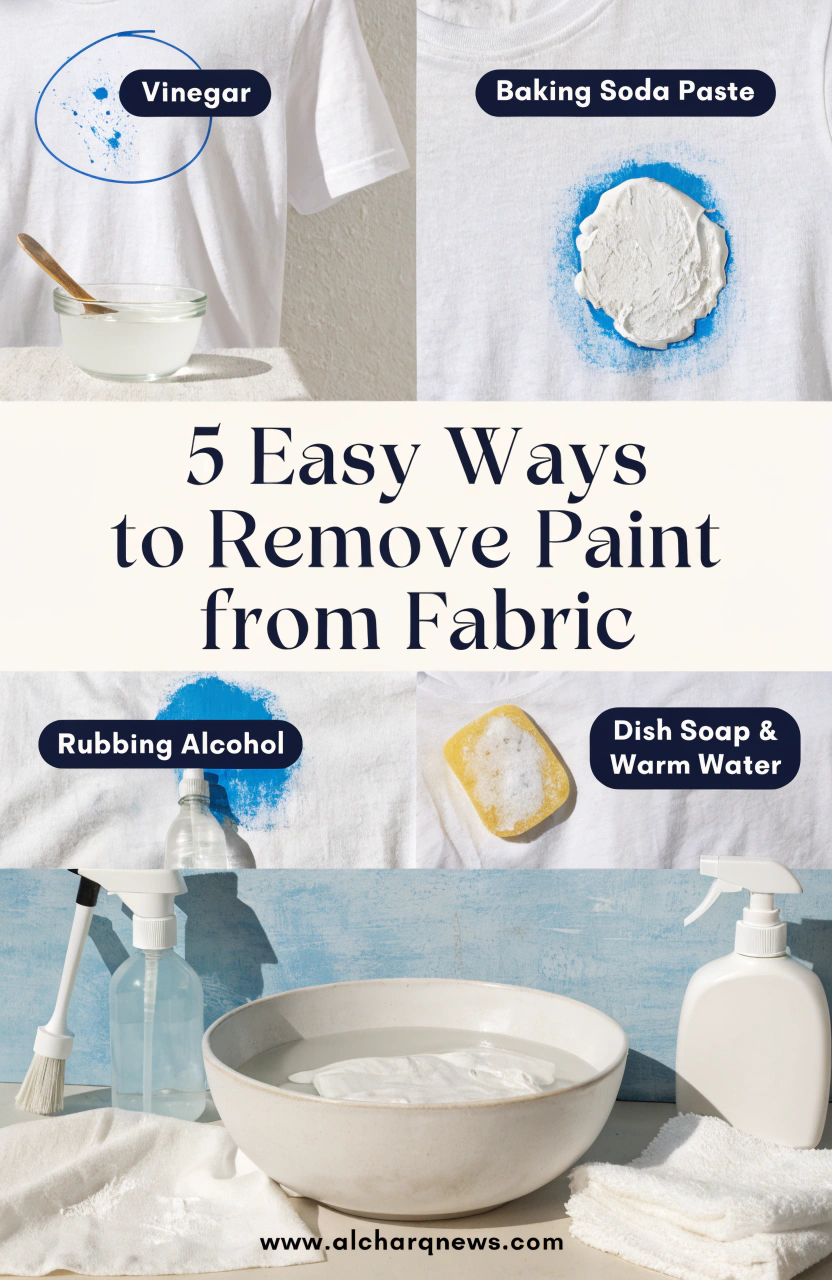
5 Easy Ways to Remove Paint from Fabric
There’s nothing quite like the satisfaction of a freshly painted room, a newly restored piece of furniture, or a creative DIY project. But let’s be honest, the joy can quickly turn into dismay when you discover an accidental paint splat on your favorite shirt, a sofa cushion, or even your carpet. It’s a common household mishap, and one that can feel overwhelming. Don’t panic! Whether it’s a fresh spill or a dried-on smudge, knowing how to effectively remove paint from fabric can save your textiles and your sanity. As experts in home cleaning and organization, we’re here to guide you through practical and actionable steps to tackle those stubborn paint stains.
Before you dive into any cleaning method, remember that speed and proper identification are your best allies. The quicker you act, the better your chances of full removal. Let’s get started!
1. Act Fast and Identify Your Paint Type
The moment you spot paint on fabric, resist the urge to rub it in. This is a common mistake that can spread the stain and push the paint deeper into the fibers. Instead, scrape off any excess wet paint gently with a dull knife, spoon, or credit card. Your next step is to figure out what kind of paint you’re dealing with. This is absolutely essential, as different paint types require different removal strategies.
Understanding Paint Types
- Water-Based (Latex/Acrylic): This is the most common household paint. It cleans up with water when wet. Once dry, it forms a plastic-like film.
- Oil-Based: These paints are more durable but also more challenging to remove. They require mineral spirits or paint thinner for cleanup when wet.
- Craft/Fabric Paint: Often water-based, but designed to be permanent on fabric once cured. Removal can be difficult.
Always check the paint can or product label if you still have it. If not, a quick test can sometimes tell you: water-based paints will feel slightly rubbery when dry, while oil-based paints will be harder and more brittle.
Before You Start: Patch Test
Before applying any cleaning solution, always, always, always perform a patch test on an inconspicuous area of the fabric (like an inside seam, hem, or underside of a cushion). This helps ensure the cleaner won’t damage, discolor, or leave a ring on your item. Wait a few minutes to see the reaction before proceeding.
2. The Scrape and Soak Method (For Wet Water-Based Paint)
This method is your first line of defense against fresh, wet, water-based paint spills. It’s gentle and effective if caught early.
Materials You’ll Need:
- Dull knife, spoon, or credit card
- Clean paper towels or cloths
- Cold water
- Laundry detergent (optional)
Steps to Take:
- Scrape Off Excess: Gently scrape away as much wet paint as possible using your dull tool. Work carefully to avoid spreading the paint or damaging the fabric fibers.
- Blot, Don’t Rub: Use a clean paper towel or cloth to blot the remaining paint. Continue blotting with fresh sections of the cloth until no more paint transfers.
- Rinse from the Back: Turn the fabric inside out (if possible) and rinse the stained area under cold running water from the back. This helps push the paint out of the fibers rather than further into them.
- Apply Detergent (Optional): If the stain persists, apply a small amount of liquid laundry detergent directly to the stain. Gently rub it in with your fingers or a soft brush.
- Soak and Wash: Soak the item in cold water for 30 minutes to an hour. Then, wash the fabric as usual according to its care label. Air dry to ensure the stain is completely gone before machine drying, as heat can set the stain.
This technique is perfect for clothes, throw blankets, or even removable cushion covers that can be easily maneuvered to a sink.
3. Dish Soap & Warm Water (For Dried Water-Based Paint)
Even if water-based paint has dried, dish soap can often come to the rescue. Its degreasing properties help break down the paint’s bond with the fabric.
Materials You’ll Need:
- Dull knife or stiff brush
- Liquid dish soap
- Warm water
- Clean cloths or sponges
Steps to Take:
- Loosen the Paint: For dried paint, gently flake off as much as you can with a dull knife or a stiff brush. Be careful not to damage the fabric.
- Prepare the Solution: Mix a small amount of liquid dish soap with warm water to create a sudsy solution.
- Apply and Blot: Dip a clean cloth or sponge into the soapy water and gently dab the paint stain. Work from the outside edges of the stain inward to prevent it from spreading.
- Scrub Gently: For stubborn spots, you can gently scrub the area with an old toothbrush or a soft brush.
- Rinse and Repeat: Rinse the area thoroughly with clean water. Repeat the process if necessary until the paint is gone.
- Launder: Once the stain is removed, wash the item according to its care instructions. Air dry to confirm the stain is gone.
This method is effective for clothing, upholstery (if you can carefully blot and rinse), and even some delicate fabrics that can withstand gentle washing. It’s a staple in effective home cleaning routines.
4. Rubbing Alcohol or Hand Sanitizer (For Stubborn Dried Water-Based Paint)
When dish soap isn’t enough for dried latex or acrylic paint, rubbing alcohol (isopropyl alcohol) or even hand sanitizer (which contains alcohol) can be surprisingly effective. The alcohol helps dissolve the paint polymers.
Materials You’ll Need:
- Rubbing alcohol (70% or higher) or alcohol-based hand sanitizer
- Cotton balls or clean cloths
- Dull knife or stiff brush
- Clean water
Steps to Take:
- Pre-Treat: Gently scrape off any loose, dried paint with a dull knife or brush.
- Apply Alcohol: Saturate a cotton ball or clean cloth with rubbing alcohol or hand sanitizer.
- Dab and Blot: Dab the alcohol onto the paint stain. Do not rub vigorously, as this can damage fabric fibers. Work from the outside of the stain inwards. As the paint softens, gently blot it up with a fresh part of the cloth. You may see the paint transfer to the cloth.
- Rinse and Wash: Once the paint is gone, rinse the area thoroughly with clean water to remove any alcohol residue. Then, wash the fabric as recommended by its care label.
This method is particularly useful for smaller, more concentrated dried stains on durable fabrics. Remember to always patch test first, especially on synthetic fabrics, as alcohol can sometimes affect dyes.
5. Acetone or Nail Polish Remover (For Oil-Based Paint or Very Stubborn Stains)
For oil-based paints, or extremely stubborn dried water-based stains that resist other methods, acetone (found in many nail polish removers) can be a powerful solvent. However, this is a more aggressive option and requires caution.
Materials You’ll Need:
- Acetone or acetone-based nail polish remover (ensure it’s clear, not colored)
- Cotton balls or clean cloths
- Dull knife or stiff brush
- Clean water
- Ventilation (open windows, fan)
- Gloves (optional, but recommended)
Steps to Take:
- Prepare the Area: Work in a well-ventilated area. Protect your hands if desired. Gently scrape off any loose, dried paint.
- Patch Test: This step is absolutely critical with acetone. It can dissolve synthetic fibers like acetate, rayon, and even some dyes. Test on an inconspicuous spot and wait several minutes to ensure no damage or discoloration occurs.
- Apply Acetone: Saturate a cotton ball or a corner of a clean cloth with acetone.
- Dab, Don’t Rub: Gently dab the acetone onto the paint stain. As the paint begins to soften and transfer, blot it with a fresh, clean part of the cloth. Continue this process, using new cotton balls or cloth sections as they become saturated with paint.
- Rinse Thoroughly: Once the paint is removed, rinse the treated area thoroughly with clean water to remove all traces of acetone.
- Launder: Wash the fabric immediately according to its care instructions. Air dry.
Common Mistake to Avoid: Never use acetone on delicate fabrics like silk, wool, or acetate. Always perform a patch test, even on cotton or linen, as dyes can react unpredictably. This method is best reserved for durable natural fibers like cotton or denim, and only when other, gentler methods have failed.
Prevention and Proactive Household Maintenance
While knowing how to remove paint from fabric is invaluable, preventing the mishap in the first place is even better! Incorporating these practices into your household maintenance and home organization routines can save you time and effort.
Tips for Avoiding Paint Stains:
- Dress for Success: Whenever painting or doing messy DIY projects, wear old clothes and shoes that you don’t mind getting stained.
- Cover Up: Use drop cloths, old sheets, or plastic sheeting to cover furniture, floors, and anything else nearby that you don’t want painted. This is especially important in areas like the living room if you’re painting a feature wall or a piece of furniture.
- Mind Your Surroundings: Be aware of where you’re placing paint cans, brushes, and rollers. A designated “paint zone” can help.
- Immediate Cleanup: If a spill happens, clean it up immediately while the paint is still wet. Keep cleaning supplies (paper towels, a bucket of water, a rag) handy.
- Proper Storage Solutions: After use, seal paint cans tightly and store brushes properly. This prevents accidental spills during storage and keeps your tools in good condition for future projects, contributing to overall decluttering and organization.
- Add to Your Cleaning Schedules: Consider adding “check for paint splatters after DIY projects” to your post-project cleaning schedules to catch any unnoticed marks before they dry.
Frequently Asked Questions About Removing Paint from Fabric
Q1: Does the type of fabric matter when removing paint?
A: Absolutely. Delicate fabrics like silk, rayon, acetate, or wool are much more sensitive to harsh solvents and even vigorous scrubbing. Always use the gentlest method first and perform a patch test. For very delicate or expensive items, professional cleaning might be the safest option.
Q2: What if the paint is completely dry and has been there for a long time?
A: Dried paint is definitely harder to remove than wet paint. Start with the gentler methods (dish soap, then rubbing alcohol) before moving to stronger solvents like acetone. Patience and repeated applications are key. You might not achieve 100% removal, but you can significantly reduce the stain.