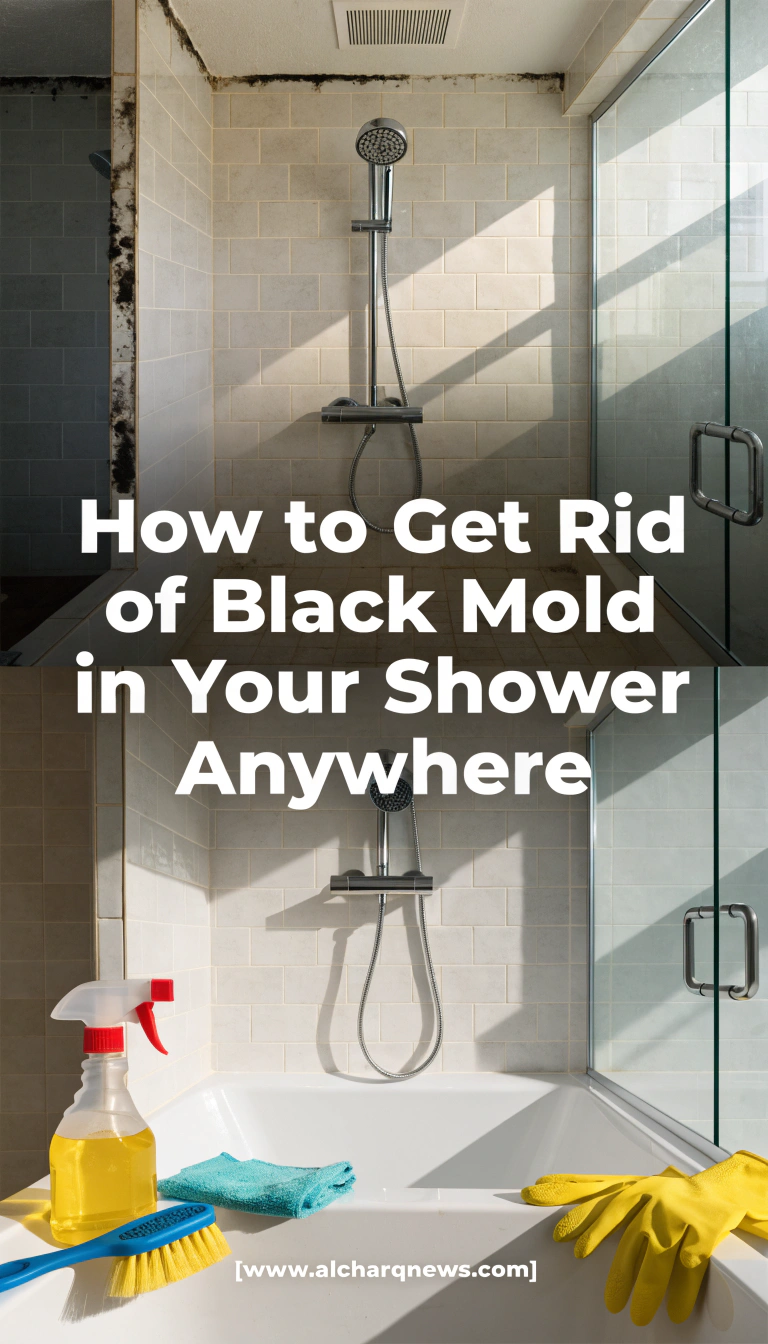
How to Get Rid of Black Mold in Your Shower Anywhere
There’s nothing quite as disheartening as stepping into your shower, ready for a refreshing cleanse, only to be greeted by the unsightly presence of black mold. That dark, slimy growth clinging to your grout, caulk, or shower curtain can make your sanctuary feel anything but clean. It’s not just an eyesore; it can also be a sign of deeper moisture issues and can even affect your home’s air quality. But don’t despair! You’re not alone in this battle, and the good news is, getting rid of that stubborn black mold is entirely achievable with the right approach and a little elbow grease. Let’s reclaim your shower and make it sparkle again.
Understanding Black Mold: Your Unwanted Shower Guest
Before you tackle any problem, it helps to understand your opponent. Black mold, often identified by its dark green or black color and slimy or fuzzy texture, thrives in damp, humid environments. Your shower is basically a five-star resort for it!
What is Black Mold and Why Does It Love Your Shower?
Fungi Among Us: Black mold is a type of fungus that grows from microscopic spores floating in the air. When these spores land on a damp surface with a food source (like soap scum, skin cells, or grout), they begin to grow.
Moisture Magnet: Showers provide the perfect breeding ground: constant moisture, warmth, and often poor ventilation. Grout lines, caulk, and the undersides of shower mats are common hiding spots because they stay wet longer.
Beyond the Surface: Sometimes, what you see on the surface is just the tip of the iceberg. Mold can penetrate porous materials like grout, making it challenging to remove completely without proper techniques.
Safety First: Preparing for the Black Mold Battle
When dealing with mold, your safety is paramount. Don’t just dive in without preparation. A few simple precautions will protect you from spores and cleaning agents.
Your Personal Protective Equipment (PPE)
Gloves: Always wear rubber gloves to protect your hands from mold and harsh cleaning chemicals.
Eye Protection: Goggles are a must to prevent splashes from getting into your eyes.
Mask: An N95 respirator mask is recommended to avoid inhaling mold spores, especially if you have allergies or respiratory issues.
Ventilation: Open windows and turn on your bathroom fan. Good airflow helps disperse mold spores and chemical fumes. If possible, keep the bathroom door closed to prevent spores from spreading to other areas of your home.
Your Arsenal: Effective Cleaning Solutions for Black Mold
You have several options when it comes to cleaning solutions, from natural remedies to stronger chemicals. Choose the one that best suits your comfort level and the severity of the mold.
Natural and Eco-Friendly Options
White Vinegar: A fantastic natural disinfectant. It’s acidic and can kill up to 82% of mold species. Use it undiluted in a spray bottle.
Baking Soda: A mild abrasive that helps scrub away mold and absorbs odors. Mix with water to form a paste, or sprinkle on moldy areas before scrubbing.
Hydrogen Peroxide: A non-toxic alternative to bleach. Use a 3% solution directly on mold. Let it sit for 10-15 minutes before scrubbing.
Tea Tree Oil: A powerful natural fungicide. Mix 1 teaspoon of tea tree oil with 1 cup of water in a spray bottle. Shake well before each use. Do not rinse.
Stronger Chemical Solutions (Use with Caution)
Bleach: Effective for killing surface mold on non-porous surfaces. Mix 1 part bleach with 10 parts water. Never mix bleach with ammonia or vinegar, as this creates toxic fumes.
Commercial Mold Removers: Many products are specifically designed for mold removal. Always read the instructions carefully and ensure good ventilation.
Step-by-Step: Eradicating Black Mold from Your Shower
Now, let’s get down to the actual cleaning. Follow these steps for thorough removal.
The Cleaning Process
Clear the Area: Remove all shower caddies, bottles, loofahs, and anything else from the shower. This is also a great opportunity for some household organization – declutter your shower products!
Ventilate: Open windows and turn on the exhaust fan. Put on your PPE.
Pre-Rinse (Optional): A quick rinse can help loosen some surface grime, but avoid spraying directly onto heavy mold, as this can spread spores.
Apply Your Chosen Solution:
For Vinegar/Peroxide: Spray directly onto the moldy areas. Let it sit for at least 30 minutes to an hour to penetrate the mold.
For Baking Soda Paste: Apply the paste generously to the mold. Let it sit for 15-20 minutes.
For Bleach Solution: Apply to the affected areas. Let it sit for 10-15 minutes. Do not let it dry on the surface.
Scrub Away: Using a stiff brush, old toothbrush (for grout lines), or a scrubbing sponge, scrub the mold away. Apply firm pressure. For tougher spots, reapply the solution and let it sit longer before scrubbing again.
Rinse Thoroughly: Rinse the entire shower area with hot water, making sure to wash away all mold residue and cleaning solution. Pay close attention to corners and crevices.
Dry Completely: This is a crucial step! Use a clean, dry towel or a squeegee to remove as much moisture as possible from all surfaces. The goal is to leave no damp spots for mold to return.
Inspect and Repeat: After drying, inspect the area. If you still see signs of black mold, repeat the process. For deeply embedded mold in grout or caulk, you might need to consider regrouting or recaulking.
Room-by-Room Recommendations for Your Bathroom
While this article focuses on the shower, remember that mold can appear in other damp bathroom areas:
Sink and Countertops: Wipe down regularly, especially around the faucet base.
Toilet Base: Ensure good ventilation and clean any condensation regularly.
Windowsills: Check for condensation and wipe dry.
Beyond the Clean: Preventing Future Black Mold
Removing mold is only half the battle. The real victory comes from preventing its return. This involves good home maintenance tips and smart cleaning schedules.
Long-Term Prevention Strategies
Improve Ventilation: This is the most important step.
Run your exhaust fan during and for at least 30 minutes after every shower.
Open a window while showering, if possible.
Dry Surfaces After Each Use:
Use a squeegee on shower walls and doors after every shower.
Wipe down the tub/shower base with a towel.
Wash Shower Curtains/Liners: Wash fabric curtains weekly. For plastic liners, spray with a daily shower cleaner or wipe down regularly. Consider replacing them every few months.
Keep it Organized and Decluttered:
Don’t let bottles and loofahs sit directly on shower surfaces. Use a shower caddy or storage solutions that allow water to drain away.
Hang loofahs and washcloths to dry completely outside the shower.
Fix Leaks Promptly: Even a tiny drip can create a constant moisture source for mold. Regular home maintenance includes checking for leaky faucets or showerheads.
Regular Cleaning Schedule: Incorporate weekly cleaning of your shower with a mold-inhibiting cleaner. This time-saving cleaning method prevents buildup.
Consider a Dehumidifier: If your bathroom consistently feels humid, a small dehumidifier can make a big difference, especially in basements or poorly ventilated bathrooms.
Seal Grout and Caulk: Periodically check and re-seal grout and caulk lines. This creates a barrier against moisture penetration.
Common Mistakes to Avoid When Cleaning Black Mold
Knowing what not to do is just as important as knowing what to do.
Ignoring the Problem: Mold won’t go away on its own. The longer you wait, the worse it can get and the harder it will be to remove.
Mixing Cleaning Products: Never mix bleach with other cleaners like ammonia or vinegar. This creates dangerous, toxic fumes.
Using Abrasive Tools on Delicate Surfaces: While a stiff brush is great for grout, avoid highly abrasive scrubbers on fiberglass or acrylic showers, as they can scratch the surface.
Forgetting to Ventilate: Cleaning mold without proper ventilation can expose you to spores and chemical fumes, which is unhealthy.
Not Drying Thoroughly: Leaving moisture behind is an open invitation for mold to return quickly. Always dry surfaces completely.
Just Spraying and Rinsing: Mold often has roots. You need to scrub to physically remove it, not just spray it.
Frequently Asked Questions About Black Mold in Showers
Q: Is black mold in the shower dangerous?
A: While often an indicator of moisture problems, the mold found in showers is typically not the highly toxic “Stachybotrys chartarum” black mold you might hear about. However, any mold can trigger allergies, asthma, or respiratory irritation in sensitive individuals. It’s best to remove it promptly.
Q: Can I paint over black mold?
A: No, painting over mold is a common mistake. It won’t kill the mold, and the mold will likely grow through the paint eventually. You must clean and kill the mold completely before painting.